




How to lubricate a packing conveyor?
Jul 25, 2025
Leave a message
Hey there! As a packing conveyor supplier, I've seen firsthand how important it is to keep these machines lubricated. A well-lubricated packing conveyor not only runs smoothly but also has a longer lifespan. In this blog, I'm gonna share some tips on how to lubricate a packing conveyor effectively.
Why Lubrication Matters
Before we dive into the how-to, let's talk about why lubrication is so crucial. Packing conveyors have a lot of moving parts, like belts, rollers, and chains. Without proper lubrication, these parts can wear out quickly due to friction. Friction not only causes mechanical damage but also generates heat, which can further degrade the components. Moreover, a poorly lubricated conveyor may experience jams and breakdowns, leading to costly downtime in your production line.
Types of Lubricants
There are several types of lubricants available, and choosing the right one depends on the specific requirements of your packing conveyor.
- Oil-based lubricants: These are great for general-purpose lubrication. They can penetrate small spaces and provide good protection against wear. However, they may need to be reapplied more frequently as they can evaporate over time.
- Grease-based lubricants: Grease is thicker than oil and stays in place better. It's ideal for areas where you need long-lasting lubrication, like bearings and joints. But it can be a bit messy to apply and may require special tools.
- Dry lubricants: These are often used in environments where you don't want any residue, such as in food packaging. Dry lubricants like graphite or PTFE can reduce friction without leaving a sticky mess.
Preparing for Lubrication
Before you start lubricating your packing conveyor, there are a few things you need to do:
- Read the manual: Every packing conveyor is different, so it's important to read the manufacturer's manual to understand the specific lubrication requirements. This will tell you what type of lubricant to use, how often to lubricate, and which parts need lubrication.
- Turn off the power: Safety first! Make sure the conveyor is completely turned off and unplugged before you start working on it. This will prevent any accidental injuries.
- Clean the parts: Use a clean cloth or a brush to remove any dirt, dust, or debris from the parts that need lubrication. This will ensure that the lubricant can work effectively and won't be contaminated.
Lubricating the Belt
The belt is one of the most important parts of a packing conveyor, and it needs regular lubrication to run smoothly. Here's how you can lubricate the belt:
- Check the tension: A loose belt can cause slippage, which will increase friction. Use a tension gauge to check the belt tension and adjust it if necessary.
- Apply the lubricant: Depending on the type of lubricant you're using, you can apply it directly to the belt or use a lubrication system. If you're using an oil-based lubricant, you can use a spray bottle to apply a thin layer evenly across the belt. For grease, you may need to use a grease gun to apply it to the edges of the belt.
- Run the conveyor: After applying the lubricant, turn on the conveyor for a few minutes to allow the lubricant to spread evenly. This will also help to remove any excess lubricant.
Lubricating the Rollers
The rollers support the belt and help it move smoothly. Here's how you can lubricate the rollers:
- Lift the belt: Use a lifting tool to lift the belt slightly so that you can access the rollers.
- Apply the lubricant: Use a brush or a grease gun to apply the lubricant to the roller bearings. Make sure to apply it evenly and avoid getting any lubricant on the belt.
- Rotate the rollers: After applying the lubricant, rotate the rollers by hand to distribute the lubricant evenly.
Lubricating the Chains
If your packing conveyor has chains, they also need regular lubrication. Here's how you can lubricate the chains:
- Clean the chains: Use a chain cleaner or a degreaser to remove any dirt or grime from the chains.
- Apply the lubricant: Use a chain lubricant or a spray lubricant to apply the lubricant to the chains. Make sure to apply it to all the links and joints.
- Run the chains: After applying the lubricant, run the conveyor for a few minutes to allow the lubricant to penetrate the chains. This will also help to remove any excess lubricant.
Lubricating the Bearings
The bearings are the parts that allow the moving parts of the conveyor to rotate smoothly. Here's how you can lubricate the bearings:
- Remove the covers: Some bearings have covers that need to be removed to access the lubrication points. Use a screwdriver or a wrench to remove the covers.
- Apply the lubricant: Use a grease gun to apply the lubricant to the bearings. Make sure to apply it slowly and evenly until you see a small amount of lubricant coming out from the other side.
- Replace the covers: After applying the lubricant, replace the covers and tighten them securely.
Frequency of Lubrication
How often you need to lubricate your packing conveyor depends on several factors, such as the type of conveyor, the operating environment, and the amount of use. As a general rule, you should lubricate the conveyor at least once a month. However, if the conveyor is used heavily or in a dirty environment, you may need to lubricate it more frequently.

Troubleshooting
Even with regular lubrication, you may still encounter some problems with your packing conveyor. Here are some common issues and how to fix them:
- Squeaking or grinding noises: This could be a sign of insufficient lubrication or worn-out parts. Check the lubrication levels and replace any damaged parts if necessary.
- Belt slippage: A loose belt or a dirty belt can cause slippage. Check the belt tension and clean the belt if needed.
- Jams: Jams can be caused by a variety of factors, such as a misaligned belt or a foreign object in the conveyor. Stop the conveyor immediately and remove the object. Check the alignment of the belt and make any necessary adjustments.
Conclusion
Lubricating a packing conveyor is an important part of its maintenance. By following these tips, you can keep your conveyor running smoothly and extend its lifespan. Remember to always read the manual, use the right lubricant, and follow the safety procedures.
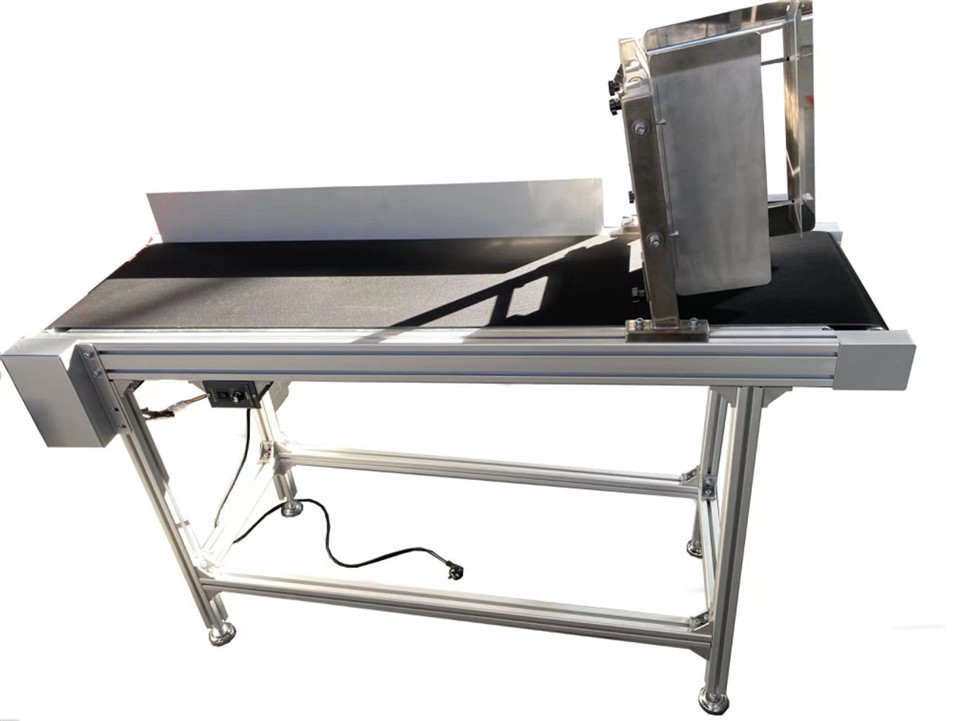
If you're in the market for a new Packing Conveyor, we've got you covered. We also offer Rubber Belt Conveyor and Unpower Convevor options to suit your specific needs. If you have any questions or want to discuss your requirements, feel free to reach out. We're here to help you make the best choice for your business.
References
- Manufacturer's manuals for packing conveyors
- Industry standards and best practices for conveyor lubrication
Send Inquiry