



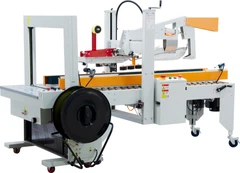
How to install a packing conveyor?
Jul 17, 2025
Leave a message
Hey there! As a packing conveyor supplier, I'm stoked to share with you how to install a packing conveyor. It might seem like a daunting task, but with the right steps and a bit of know - how, you'll have it up and running in no time.


Pre - installation Preparations
Before we jump into the actual installation, there are a few things you need to take care of. First off, you gotta pick the right spot for your packing conveyor. The area should be flat and level. A surface that's uneven can cause all sorts of problems down the line, like the conveyor running off - track or having a rough operation.
Measure the space carefully. Make sure there's enough room around the conveyor for maintenance and for workers to move freely. You don't want to end up in a situation where you can't access parts of the conveyor when something goes wrong.
Next, gather all the necessary tools. You'll typically need wrenches, screwdrivers, and maybe a drill depending on the type of conveyor. It's a good idea to have a toolbox handy so you can keep everything organized.
Unpacking and Inspecting the Conveyor
Once you've got your space ready and your tools in hand, it's time to unpack the conveyor. Carefully remove all the parts from the packaging and lay them out. This is also a great opportunity to inspect each part for any damage. Check for dents, scratches, or any signs of wear and tear. If you find anything wrong, contact us right away. We're Belt Conveyor Manufacturers and we'll sort it out for you.
Assembly of the Conveyor Frame
Let's start with the frame. The frame is the backbone of the conveyor, so it's important to assemble it correctly. Most frames come with pre - drilled holes and markings to guide you. Follow the instructions provided to connect the frame sections together. Use the appropriate bolts and nuts to secure the joints. Make sure the frame is square and level as you assemble it. You can use a spirit level to double - check.
Installing the Conveyor Belt
Now, onto the conveyor belt. This is a crucial part of the packing conveyor. First, you'll need to install the belt onto the pulleys. Some belts come pre - cut to the right length, while others might need a bit of adjustment. If you need to cut the belt, use a sharp utility knife and make a clean, straight cut.
After placing the belt on the pulleys, you'll need to tension it properly. A belt that's too loose can slip, while one that's too tight can cause excessive wear on the components. There are usually tensioning mechanisms on the conveyor, like adjustable pulleys or tensioning bolts. Use these to get the right tension. You can test the tension by gently pressing down on the belt in the middle. It should have a bit of give but not sag too much.
Electrical and Control System Installation
If your packing conveyor is powered, you'll need to install the electrical components. This includes motors, control panels, and sensors. Before you start working on the electrical system, make sure the power is turned off.
Connect the motor to the power supply following the wiring diagram provided. Make sure all the connections are secure and insulated to prevent any electrical hazards. The control panel allows you to operate the conveyor, so install it in a convenient location where it can be easily accessed.
Sensors are important for the proper functioning of the conveyor. They can detect the presence of packages, control the speed, and even stop the conveyor in case of an emergency. Install the sensors according to the instructions and test them to make sure they're working correctly.
Alignment and Testing
Once everything is installed, it's time to align the conveyor. Proper alignment ensures smooth operation and reduces wear on the components. Check the alignment of the pulleys and rollers. They should be parallel to each other. You can use a straightedge to check for any misalignment.
After alignment, it's time for a test run. Start the conveyor at a low speed and observe its operation. Check for any abnormal noises, vibrations, or belt tracking issues. If you notice any problems, stop the conveyor immediately and troubleshoot.
Maintenance and Safety Tips
Now that your Packing Conveyor is up and running, it's important to keep it well - maintained. Regularly clean the conveyor to remove any debris or dust. Lubricate the moving parts as recommended in the manual. This will extend the lifespan of the conveyor and keep it running smoothly.
Safety is also a top priority. Make sure all workers are trained on how to operate the conveyor safely. Provide safety guards around the moving parts to prevent any accidents.
Conclusion
Installing a packing conveyor might seem like a big job, but if you follow these steps, you'll be able to do it successfully. At Conveyor Belt Equipment, we're here to support you every step of the way. If you have any questions or need further assistance, don't hesitate to reach out. Whether you're looking to upgrade your existing conveyor or install a new one, we've got the products and expertise to meet your needs. Contact us today to start the conversation about your packing conveyor requirements and let's work together to get the best solution for your business.
References
- Conveyor Installation Manuals
- Industry Standards for Conveyor Safety and Maintenance
Send Inquiry