


How to improve the sealing efficiency of a plastic film sealer?
Sep 05, 2025
Leave a message
How to Improve the Sealing Efficiency of a Plastic Film Sealer
As a supplier of plastic film sealers, I understand the importance of sealing efficiency in the packaging industry. A high - efficiency plastic film sealer not only ensures product quality but also boosts productivity and reduces costs. In this blog, I will share some practical tips on how to improve the sealing efficiency of a plastic film sealer.
1. Select the Right Sealing Machine
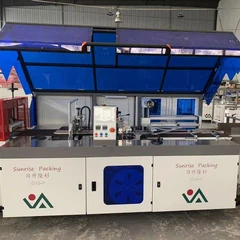
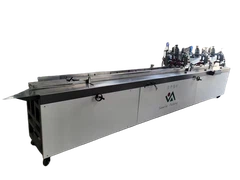
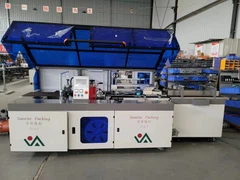
The first step in improving sealing efficiency is to choose the appropriate plastic film sealer for your specific needs. There are various types of sealing machines available in the market, such as the Plastic Cutting and Sealing Machine, Transparent Film 3D Packaging Machine, and Sealing Machine for Plastic Packaging.
Consider factors like the type of plastic film you are using (e.g., polyethylene, polypropylene), the size and shape of the products to be sealed, and the production volume. For example, if you are sealing small, regular - shaped products in large quantities, a continuous band sealer might be a good choice. On the other hand, if you need to create 3D - like packaging for products, the transparent film 3D packaging machine would be more suitable.
2. Optimize Sealing Temperature
The sealing temperature is a critical factor that directly affects the sealing quality and efficiency. If the temperature is too low, the plastic film may not melt properly, resulting in weak seals that are prone to leakage. Conversely, if the temperature is too high, the film may burn or deform, which also compromises the sealing integrity.
To optimize the sealing temperature, start by referring to the manufacturer's guidelines for the specific plastic film you are using. Conduct some test seals at different temperature settings and evaluate the results. Look for a clean, strong seal without any signs of burning or under - melting. You can also use a temperature controller to maintain a consistent temperature during the sealing process, which helps to ensure uniform seals across all products.
3. Adjust Sealing Pressure
Proper sealing pressure is essential for creating a reliable seal. Insufficient pressure may lead to incomplete sealing, while excessive pressure can damage the plastic film or the product inside. Most plastic film sealers allow you to adjust the sealing pressure.
When adjusting the pressure, start with a lower setting and gradually increase it while observing the seal quality. The goal is to achieve a seal that is both strong and smooth. You can test the seal strength by gently pulling on the sealed area. If the seal breaks easily, increase the pressure slightly. If the film shows signs of being crushed or damaged, reduce the pressure.
4. Ensure Proper Film Tension
Maintaining the right film tension is crucial for efficient sealing. If the film is too loose, it may wrinkle during the sealing process, resulting in uneven seals. If it is too tight, it may cause the film to tear or stretch, which can also affect the sealing quality.
Most plastic film sealers are equipped with tension control mechanisms. Adjust the tension so that the film moves smoothly through the sealer without any slack or excessive tightness. You can also check the film tension periodically during the production process, as factors like changes in film roll diameter or machine speed can affect the tension.
5. Keep the Sealing Components Clean
Over time, dirt, debris, and melted plastic can accumulate on the sealing components of the plastic film sealer, such as the sealing bars and cutting blades. This buildup can interfere with the sealing process and reduce efficiency.
Regularly clean the sealing components according to the manufacturer's instructions. Use a soft, clean cloth and a suitable cleaning agent to remove any residue. Pay special attention to the areas where the film comes into contact with the sealer. For example, if there is a lot of melted plastic on the sealing bars, it can cause the film to stick and create uneven seals.
6. Train Your Operators
Well - trained operators are key to maximizing the sealing efficiency of a plastic film sealer. Provide comprehensive training to your operators on how to use the sealer properly, including how to adjust the temperature, pressure, and tension, as well as how to troubleshoot common problems.


Operators should also be trained on safety procedures to prevent accidents and ensure a smooth production process. Encourage them to report any issues or abnormalities they notice during the sealing process, such as unusual noises or changes in seal quality. By having knowledgeable operators, you can minimize downtime and improve overall productivity.
7. Perform Regular Maintenance
Regular maintenance is essential for keeping your plastic film sealer in optimal condition. This includes tasks such as lubricating moving parts, checking electrical connections, and replacing worn - out components.
Create a maintenance schedule based on the manufacturer's recommendations and stick to it. For example, lubricate the moving parts at regular intervals to reduce friction and prevent premature wear. Check the electrical connections for any signs of damage or loose wires, as this can affect the performance of the sealer. Replace any worn - out components, such as sealing bars or cutting blades, as soon as possible to avoid compromising the sealing quality.
8. Upgrade Your Sealing Technology
As technology advances, new features and improvements are constantly being made to plastic film sealers. Consider upgrading your sealer if it is outdated or no longer meeting your production requirements.
Newer models may offer features such as faster sealing speeds, better temperature control, and more precise pressure adjustment. They may also be more energy - efficient, which can help to reduce operating costs in the long run. When upgrading, make sure to choose a sealer that is compatible with your existing production line and the type of plastic film you are using.
In conclusion, improving the sealing efficiency of a plastic film sealer requires a combination of proper machine selection, optimization of sealing parameters, regular maintenance, and well - trained operators. By following these tips, you can enhance the quality of your seals, increase productivity, and reduce costs. If you are interested in learning more about our plastic film sealers or have any questions regarding sealing efficiency, we invite you to contact us for further discussion and potential procurement.
References
- Packaging Machinery Manufacturers Institute (PMMI). Packaging Machinery Technology Roadmap.
- Plastic Packaging Materials Handbook. Edited by T. Collyer and D. Clegg.
Send Inquiry