


How to improve the flexibility of a packing stacker?
Oct 15, 2025
Leave a message
Hey there! As a supplier of packing stackers, I've seen firsthand how crucial flexibility is in the world of packaging. A flexible packing stacker can adapt to different products, packaging materials, and production requirements, making it a valuable asset for any business. In this blog post, I'll share some tips on how to improve the flexibility of a packing stacker.
1. Modular Design
One of the most effective ways to enhance the flexibility of a packing stacker is by adopting a modular design. A modular packing stacker consists of interchangeable components that can be easily added, removed, or reconfigured to suit different applications. For example, you can have a basic stacking unit and then add additional modules for functions like product orientation, labeling, or wrapping.
This approach allows you to customize the packing stacker according to your specific needs. If you start producing a new type of product with different dimensions or packaging requirements, you can simply swap out or add the appropriate modules. It's like building with Lego blocks - you can create different structures as per your requirements.
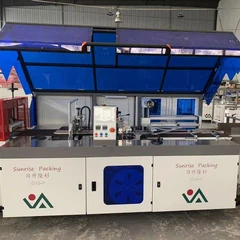
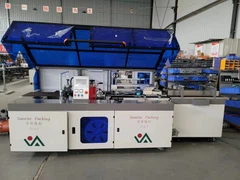
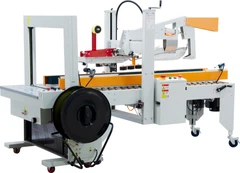
Check out our Packing Stacker which features a modular design, enabling you to tailor it to your unique packaging needs.


2. Adjustable Parameters
Another key aspect of a flexible packing stacker is the ability to adjust its parameters. This includes things like stacking speed, height, and the number of items per stack. By having adjustable parameters, the packing stacker can handle a wide range of products and packaging configurations.
For instance, if you're stacking small, lightweight items, you might want to increase the stacking speed to improve productivity. On the other hand, if you're dealing with large, heavy products, you may need to slow down the speed and adjust the height to ensure stable stacking. Most modern packing stackers come with user - friendly control panels that allow operators to easily adjust these parameters on the fly.
3. Compatibility with Different Packaging Materials
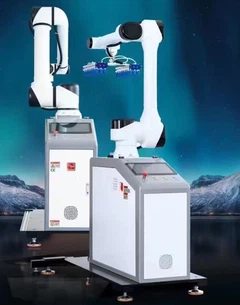
A flexible packing stacker should be able to work with various packaging materials. Whether it's cardboard boxes, plastic containers, or even soft - pack products, the stacker should be able to handle them all. This requires the use of appropriate gripping and stacking mechanisms.
For example, for cardboard boxes, a suction - cup or clamp - based gripping system might work well. For plastic containers, a more gentle and precise gripping mechanism could be used. By ensuring compatibility with different packaging materials, you can expand the range of products that your packing stacker can handle.
4. Integration with Other Equipment
To improve flexibility further, it's important to integrate the packing stacker with other equipment in the packaging line. This could include conveyors, labeling machines, and wrapping machines. When the packing stacker is integrated with these other devices, it can create a seamless packaging process.
For example, the conveyor can feed products to the packing stacker at a consistent rate, and the labeling machine can apply labels to the stacked products. This integration not only improves the overall efficiency of the packaging line but also allows for greater flexibility in handling different product types.
5. Software Upgrades
In today's digital age, software plays a crucial role in the operation of packing stackers. Regular software upgrades can add new features and improve the flexibility of the stacker. For example, new software versions might include advanced algorithms for product orientation or improved error - handling capabilities.
These upgrades can be easily installed on the packing stacker's control system, often without the need for major hardware changes. By keeping the software up - to - date, you can ensure that your packing stacker remains adaptable to new challenges and requirements.
6. Training for Operators
No matter how flexible a packing stacker is, it won't reach its full potential without well - trained operators. Training operators on how to use the stacker's adjustable features, perform maintenance, and troubleshoot problems is essential.
Operators should be familiar with the different functions of the packing stacker and know how to adjust it for different products and packaging materials. They should also be trained to identify and solve common issues that may arise during operation. By investing in operator training, you can ensure that your packing stacker is used to its fullest capacity.
7. Consideration for Future Expansion
When purchasing a packing stacker, it's important to consider future expansion. You want a stacker that can grow with your business. Look for a model that has room for additional modules, increased capacity, and compatibility with emerging technologies.
For example, if you plan to introduce new product lines in the future, make sure the packing stacker can be easily upgraded to handle these new products. This forward - thinking approach will save you money and time in the long run.
Specialized Applications: Automatic Book Stacker
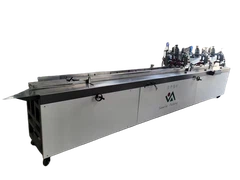
If you're in the book - packaging industry, our Automatic Book Stacker is a great option. It's designed to handle books of different sizes and weights with precision. The adjustable parameters allow for stacking books in various configurations, whether it's a single - layer stack or a multi - layer stack.
The modular design of the Automatic Book Stacker means that you can add features like barcode scanning or book orientation adjustment as your business needs evolve. And with its software - controlled operation, it's easy to integrate with other equipment in your book - packaging line.
Conclusion
Improving the flexibility of a packing stacker is essential for businesses that want to stay competitive in the ever - changing packaging industry. By adopting a modular design, adjusting parameters, ensuring compatibility with different materials, integrating with other equipment, upgrading software, training operators, and planning for future expansion, you can make your packing stacker a versatile and valuable asset.
If you're interested in learning more about our packing stackers or discussing how we can customize a solution for your specific needs, don't hesitate to reach out. We're here to help you optimize your packaging process and achieve greater flexibility and efficiency.
References
- Packaging Machinery Manufacturers Institute (PMMI). "Best Practices for Flexible Packaging Equipment."
- Industry publications on packaging technology and automation.
Send Inquiry