



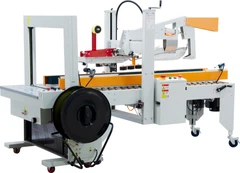
How to improve the efficiency of using a stacker?
Jun 26, 2025
Leave a message
Hey there! As a stacker supplier, I've seen firsthand how crucial it is for businesses to use stackers efficiently. Whether you're in the manufacturing, warehousing, or logistics industry, a stacker can be a game - changer. But let's face it, just having a stacker isn't enough. You've got to use it right to get the most out of it. So, in this blog, I'm gonna share some tips on how to improve the efficiency of using a stacker.
1. Proper Training for Operators
First things first, you need to make sure your operators are well - trained. A stacker is not a simple piece of equipment. It requires skill and knowledge to operate safely and efficiently. Untrained operators can not only cause damage to the stacker but also put themselves and others at risk.
Invest in comprehensive training programs for your operators. These programs should cover everything from basic stacker controls to advanced maneuvering techniques. Make sure the training is hands - on and includes real - world scenarios. This way, your operators will be able to handle any situation that comes their way.
For instance, they should know how to properly position the stacker to lift and stack loads. Incorrect positioning can lead to unstable stacks, which can topple over and cause a lot of problems. By being well - trained, operators can make sure they're using the stacker to its full potential.
2. Regular Maintenance
Just like any other piece of machinery, stackers need regular maintenance. This is non - negotiable. Regular maintenance helps prevent breakdowns and keeps the stacker running smoothly.
Create a maintenance schedule and stick to it. This schedule should include daily, weekly, monthly, and annual checks. Daily checks can be as simple as looking for any visible signs of damage, checking the fluid levels, and making sure the controls are working properly. Weekly checks might involve more in - depth inspections of the hydraulics, brakes, and other critical components.
Monthly and annual maintenance should be carried out by professional technicians. They can perform more comprehensive inspections, replace worn - out parts, and make any necessary adjustments. By keeping up with maintenance, you can avoid costly repairs and downtime.
3. Optimize Load Placement
How you place the loads on the stacker matters a great deal. The goal is to distribute the weight evenly to ensure stability. When loads are unevenly distributed, it can put extra stress on the stacker's components, leading to premature wear and tear.
Before loading the stacker, take a moment to plan how you're going to place the items. If you're dealing with different - sized or - shaped loads, try to arrange them in a way that the center of gravity remains stable. You can also use load - balancing techniques, such as placing heavier items at the bottom and lighter ones on top.
Another thing to consider is the stacking pattern. Different industries may have different requirements for stacking. For example, in a warehouse, you might want to stack pallets in a way that maximizes storage space. Make sure your operators are aware of the best stacking patterns for your specific needs.
4. Use the Right Stacker for the Job
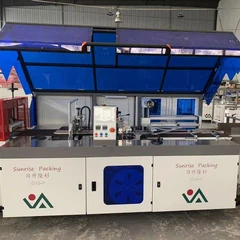
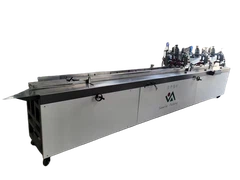
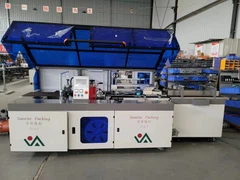
Not all stackers are created equal. There are different types of stackers available, each designed for specific tasks. For example, if you're in the packaging industry, a Packing Stacker might be the right choice. It's designed to handle the unique requirements of packing operations, such as precise stacking of boxes or products.
On the other hand, if you're in the publishing or library industry, an Automatic Book Stacker would be more suitable. It can stack books neatly and efficiently, saving you a lot of time and effort.
Before purchasing a stacker, assess your needs carefully. Consider factors like the size and weight of the loads you'll be handling, the frequency of use, and the available space in your facility. Using the right stacker for the job can significantly improve efficiency.
5. Implement Automation
Automation is the future, and it can work wonders for stacker efficiency. Automated stackers can perform tasks with greater precision and speed compared to manual ones. They can also operate around the clock, increasing productivity.


There are different levels of automation available. You can start with semi - automated stackers, which still require some operator input but perform certain tasks automatically. For example, they might be able to automatically adjust the height or position of the forks based on the load.
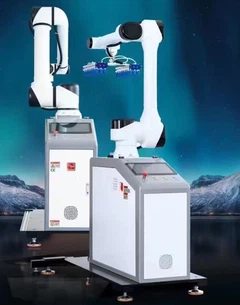
Fully automated stackers, on the other hand, can operate independently. They use sensors and software to navigate, pick up, and stack loads. While the initial investment for automated stackers can be high, the long - term benefits in terms of efficiency and cost - savings are well worth it.
6. Data - Driven Decision Making
In today's digital age, data is king. By collecting and analyzing data related to your stacker usage, you can make informed decisions to improve efficiency.
You can use sensors on the stacker to collect data on things like the number of loads lifted, the time taken for each operation, and the energy consumption. Analyzing this data can help you identify areas where improvements can be made.
For example, if you notice that a particular operator is taking longer than others to complete a task, you can provide additional training or coaching. If the data shows that the stacker is consuming more energy than expected, you can look into possible causes, such as inefficient operation or a malfunctioning component.
7. Keep the Workspace Organized
A cluttered workspace can slow down stacker operations. Make sure the area where the stacker operates is clean and organized. Remove any obstacles or debris that could get in the way of the stacker.
Create clear pathways for the stacker to move around. Mark the areas where loads are to be picked up and stacked. This will help operators navigate more easily and reduce the chances of accidents.
Also, make sure the storage areas are well - organized. If the pallets or shelves are in disarray, it will take longer for the stacker to locate and retrieve the loads. By keeping the workspace organized, you can improve the overall efficiency of the stacker operations.
Conclusion
Improving the efficiency of using a stacker is a multi - faceted process. It involves proper training for operators, regular maintenance, optimizing load placement, using the right stacker for the job, implementing automation, data - driven decision making, and keeping the workspace organized.
If you're looking to take your stacker operations to the next level, don't hesitate to reach out. We're here to help you find the best stacker solutions for your business and provide you with all the support you need to use them efficiently. Whether you're in the market for a new stacker or need advice on improving the performance of your existing one, we're just a message away. Let's start a conversation and see how we can work together to boost your productivity.
References
- "Warehouse Equipment Handbook" - A comprehensive guide on various warehouse equipment, including stackers.
- Industry reports on the latest trends in stacker technology and efficiency improvements.
Send Inquiry