


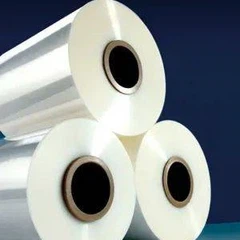
How to choose the right heat shrink film for a heat shrink packing machine?
May 20, 2025
Leave a message
How to Choose the Right Heat Shrink Film for a Heat Shrink Packing Machine
As a seasoned supplier of heat shrink packing machines, I understand the crucial role that heat shrink film plays in the overall packaging process. Selecting the right heat shrink film is not just about finding a material that fits your machine; it's about ensuring optimal performance, product protection, and cost - effectiveness. In this blog, I'll guide you through the key factors to consider when choosing the appropriate heat shrink film for your heat shrink packing machine.
1. Film Material
The first step in choosing the right heat shrink film is to understand the different types of materials available. The most common materials for heat shrink films are Polyvinyl Chloride (PVC), Polyolefin (POF), and Polyethylene (PE).
- Polyvinyl Chloride (PVC): PVC heat shrink films are known for their high clarity, excellent shrinkage properties, and relatively low cost. They are widely used in various industries, such as food, beverage, and consumer goods packaging. PVC films can shrink at a relatively low temperature, which makes them suitable for machines with lower heat output. However, PVC films may emit harmful fumes during the shrinking process, so proper ventilation is required.
- Polyolefin (POF): POF heat shrink films are a popular alternative to PVC. They offer high gloss, good clarity, and strong seal strength. POF films are also more environmentally friendly than PVC, as they do not emit harmful chemicals when heated. They have a wide range of shrinkage ratios and can be used for both irregular and regular - shaped products. POF films require a higher shrinking temperature compared to PVC, so make sure your heat shrink packing machine can reach the necessary temperature.
- Polyethylene (PE): PE heat shrink films are mainly used for heavy - duty packaging applications. They have high tensile strength and are resistant to punctures and tears. PE films are suitable for packaging large or heavy products, such as pallets. They require a high - temperature shrinking process, and the shrinking speed is relatively slow compared to PVC and POF films.
2. Shrinkage Ratio
The shrinkage ratio is an important factor to consider when choosing heat shrink film. It refers to the percentage of reduction in the film's dimensions after heating. Different products require different shrinkage ratios.
- For products with simple shapes and smooth surfaces, a lower shrinkage ratio (e.g., 20% - 30%) may be sufficient. This can provide a tight fit without excessive wrinkling.
- For products with irregular shapes or complex contours, a higher shrinkage ratio (e.g., 50% - 70%) is often needed to ensure complete coverage and a snug fit.
Make sure your heat shrink packing machine can handle the shrinkage ratio of the chosen film. Some machines may have limitations on the maximum shrinkage ratio they can achieve.
3. Thickness
The thickness of the heat shrink film also affects its performance. Thicker films generally offer better protection against punctures and tears, but they may require more heat to shrink and can be more expensive.
- For lightweight products or products that do not require high - level protection, a thinner film (e.g., 15 - 25 microns) may be suitable. Thinner films are more cost - effective and can shrink more quickly.
- For heavy - duty or high - value products, a thicker film (e.g., 30 - 60 microns) is recommended. Thicker films provide better durability and can withstand more handling.
It's important to note that the heat shrink packing machine must be able to handle the thickness of the film. Some machines may have limitations on the maximum film thickness they can process.
4. Sealing Properties
The sealing properties of the heat shrink film are crucial for a successful packaging process. A good seal ensures that the product is protected from dust, moisture, and other contaminants.
- Consider the type of sealing mechanism of your heat shrink packing machine. Different films may require different sealing methods, such as hot wire sealing, impulse sealing, or ultrasonic sealing.
- The seal strength of the film is also important. It should be strong enough to withstand the shrinking process and subsequent handling. Test the seal strength of the film before making a large - scale purchase.
5. Product Compatibility
The heat shrink film should be compatible with the product being packaged. Some products may have specific requirements or sensitivities.


- For food products, the film must be food - grade and comply with relevant safety regulations. It should not transfer any harmful substances to the food.
- For products that are sensitive to light or oxygen, consider using films with barrier properties. These films can prevent the ingress of light and oxygen, which can extend the shelf - life of the product.
6. Cost - effectiveness
Cost is always a consideration when choosing heat shrink film. However, it's important to balance cost with quality and performance.
- Compare the prices of different films from various suppliers. But don't just focus on the upfront cost; consider the long - term cost, including the cost of waste, energy consumption, and maintenance.
- Some films may be more expensive initially but can reduce waste and improve productivity, resulting in lower overall costs in the long run.
Our Heat Shrink Packing Machines
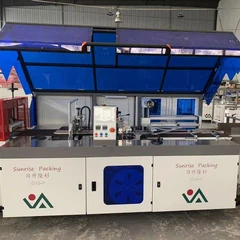
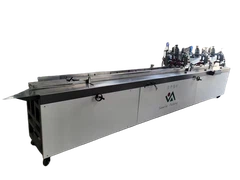
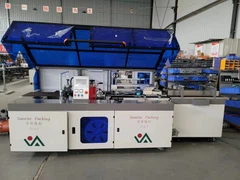
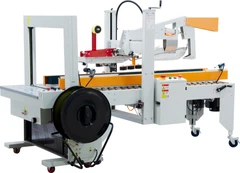
As a heat shrink packing machine supplier, we offer a wide range of machines to meet different packaging needs. Our Mobile Phone Packaging Box Heat Shrink Packaging Machine is designed specifically for mobile phone packaging boxes, providing high - speed and accurate packaging. The Heat Shrink Furnace For Film Packing is suitable for large - scale film shrinking operations, ensuring uniform heat distribution and efficient shrinking. And our Film Shrink Machine is a versatile option for various products, with adjustable settings to accommodate different film types and shrinkage ratios.
Conclusion
Choosing the right heat shrink film for your heat shrink packing machine is a complex decision that requires careful consideration of multiple factors. By understanding the film material, shrinkage ratio, thickness, sealing properties, product compatibility, and cost - effectiveness, you can select a film that will work well with your machine and meet your packaging requirements.
If you are interested in our heat shrink packing machines or need more advice on choosing the right heat shrink film, please feel free to contact us for procurement negotiations. We are committed to providing you with the best packaging solutions.
References
- Packaging Machinery Manufacturers Institute (PMMI). "Guidelines for Heat Shrink Packaging."
- American Society for Testing and Materials (ASTM). "Standards for Heat Shrink Films."
Send Inquiry