




How to charge the battery of an electric stacker?
Jul 17, 2025
Leave a message
As a reputable stacker supplier, we understand the significance of proper battery charging for electric stackers. Electric stackers are essential equipment in various industries, such as warehouses, logistics centers, and manufacturing plants. Ensuring the correct charging of their batteries not only extends the battery life but also maintains the stacker's optimal performance. In this blog, we will delve into the step - by - step process of charging the battery of an electric stacker.


Understanding the Battery Type
Before starting the charging process, it is crucial to know the type of battery your electric stacker uses. The most common types are lead - acid batteries and lithium - ion batteries. Each type has its own charging requirements and characteristics.
Lead - acid batteries are widely used in electric stackers due to their relatively low cost and high energy density. They are further divided into flooded lead - acid batteries and valve - regulated lead - acid (VRLA) batteries. Flooded lead - acid batteries require regular maintenance, including checking and adding distilled water, while VRLA batteries are maintenance - free.
Lithium - ion batteries, on the other hand, offer several advantages such as a longer lifespan, higher energy efficiency, and lighter weight. However, they are generally more expensive than lead - acid batteries.
Pre - charging Checks
- Visual Inspection:
- Before connecting the charger, visually inspect the battery for any signs of damage, such as cracks, leaks, or bulges. If you notice any of these issues, do not attempt to charge the battery. Instead, contact a professional technician for further assessment and replacement if necessary.
- Check the battery terminals for corrosion. Corroded terminals can prevent proper electrical contact and affect the charging process. If corrosion is present, clean the terminals using a mixture of baking soda and water and a wire brush.
- Charger Compatibility:
- Ensure that the charger you are using is compatible with the battery type and voltage of your electric stacker. Using an incompatible charger can lead to overcharging, undercharging, or even damage to the battery. Refer to the stacker's user manual or the battery manufacturer's specifications for the correct charger requirements.
- Ventilation:
- Charging batteries generates heat and, in the case of lead - acid batteries, hydrogen gas. Therefore, it is essential to charge the battery in a well - ventilated area to prevent the accumulation of hydrogen gas, which can be explosive. Avoid charging the battery in confined spaces or near open flames or heat sources.
Charging Process for Lead - Acid Batteries
- Connecting the Charger:
- First, make sure the stacker is turned off. Then, connect the charger to the battery terminals. The positive terminal of the charger should be connected to the positive terminal of the battery, and the negative terminal of the charger to the negative terminal of the battery. Use the appropriate cables and connectors to ensure a secure connection.
- Some chargers may have an automatic polarity detection feature, but it is still important to double - check the connections to avoid any potential issues.
- Setting the Charging Parameters:
- If your charger allows for adjustable charging parameters, set them according to the battery's specifications. This may include the charging current, voltage, and charging time. For most lead - acid batteries, a slow charging rate is recommended to prevent overheating and extend the battery life.
- Many modern chargers are designed to automatically adjust the charging parameters based on the battery's state of charge, which simplifies the charging process.
- Monitoring the Charging Process:
- During the charging process, monitor the charger and the battery regularly. Check for any signs of overheating, unusual noises, or sparks. If you notice any of these issues, immediately disconnect the charger and contact a technician.
- For flooded lead - acid batteries, you may need to check the electrolyte level periodically. If the level is low, add distilled water to the appropriate level as indicated in the battery's manual.
Charging Process for Lithium - Ion Batteries
- Connection:
- Similar to lead - acid batteries, turn off the stacker before connecting the charger. Connect the charger to the lithium - ion battery following the correct polarity. Lithium - ion batteries usually have built - in battery management systems (BMS) that help regulate the charging process and prevent overcharging and over - discharging.
- Charging:
- Lithium - ion batteries typically charge faster than lead - acid batteries. Most lithium - ion chargers are designed to charge the battery in multiple stages, starting with a constant - current charge followed by a constant - voltage charge.
- Once the battery reaches its full charge, the charger will automatically stop charging. This is due to the BMS, which monitors the battery's state of charge and voltage.
- Safety Precautions:
- Although lithium - ion batteries are generally safer than lead - acid batteries, they still require proper handling. Avoid overcharging, over - discharging, or exposing the battery to extreme temperatures. If the battery gets too hot during charging, stop the charging process and let it cool down before resuming.
Post - charging Steps
- Disconnecting the Charger:
- After the battery is fully charged, turn off the charger and disconnect it from the battery. Make sure to disconnect the charger in the correct order, starting with the charger from the battery terminals and then unplugging the charger from the power source.
- Storage:
- If you are not going to use the stacker immediately after charging, store the battery in a cool, dry place. For lead - acid batteries, it is recommended to store them at a partial state of charge to prevent sulfation. Lithium - ion batteries should be stored at around 50% state of charge for long - term storage.
Importance of Proper Battery Charging
Proper battery charging is not only important for the battery's lifespan but also for the overall performance of the electric stacker. A well - charged battery ensures that the stacker can operate at its maximum capacity, providing sufficient power for lifting and moving heavy loads. It also reduces the risk of unexpected breakdowns, which can disrupt your operations and lead to costly downtime.
Our Stacker Offerings
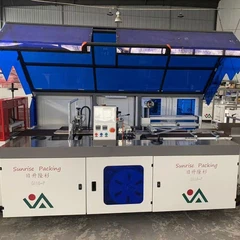
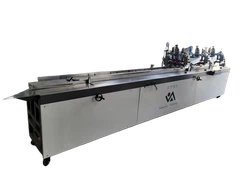
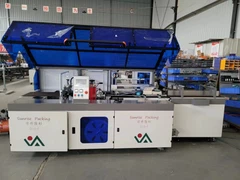
As a stacker supplier, we offer a wide range of high - quality stackers to meet the diverse needs of our customers. Our Packing Stacker is designed for efficient packing operations, while the Automatic Book Stacker is ideal for the book industry. All our stackers come with reliable battery systems and are backed by our professional after - sales service.
If you are interested in our stackers or have any questions about battery charging or stacker maintenance, we encourage you to contact us for a detailed discussion. Our team of experts is ready to assist you in finding the best stacker solution for your business. We can also provide guidance on proper battery charging and maintenance to ensure the long - term performance of your equipment.
References
- Electric Stacker User Manuals
- Battery Manufacturer's Specifications
- Industry Standards for Battery Charging and Maintenance
Send Inquiry