




How to adjust the speed ratio in a multi - speed stainless steel conveyor?
Aug 20, 2025
Leave a message
As a seasoned supplier of stainless steel conveyors, I understand the critical role that speed ratio adjustment plays in optimizing conveyor performance. In various industrial applications, the ability to fine - tune the speed ratio of a multi - speed stainless steel conveyor can significantly enhance efficiency, productivity, and product quality. This blog post will delve into the details of how to adjust the speed ratio in a multi - speed stainless steel conveyor.
Understanding the Basics of Speed Ratio in Conveyors
Before we dive into the adjustment process, it's essential to understand what speed ratio means in the context of a conveyor. The speed ratio is the relationship between the input speed (usually the speed of the motor) and the output speed (the speed at which the conveyor belt or rollers move). In a multi - speed conveyor, different speed settings are available to accommodate various production requirements.
The main components that influence the speed ratio include the motor, gearbox, pulleys, and belts or chains. Each of these elements works in harmony to determine the overall speed of the conveyor. For example, a motor provides the initial power, and a gearbox can modify the speed and torque according to the set ratio.
Pre - adjustment Checks
Before attempting to adjust the speed ratio, a series of pre - adjustment checks are necessary. First, inspect the conveyor for any visible signs of damage or wear. Check the belts for fraying, the chains for looseness, and the pulleys for misalignment. A damaged or misaligned component can lead to inaccurate speed ratios and potential breakdowns.
Also, verify the power supply to the conveyor. Ensure that the voltage and frequency are within the recommended range for the motor. Incorrect power supply can cause the motor to operate inefficiently or even fail.
Methods of Adjusting the Speed Ratio
Using a Variable Frequency Drive (VFD)
One of the most common and efficient ways to adjust the speed ratio in a multi - speed stainless steel conveyor is by using a Variable Frequency Drive (VFD). A VFD controls the speed of an AC motor by varying the frequency and voltage supplied to it.


To adjust the speed ratio using a VFD, first, access the control panel of the VFD. Most VFDs have a user - friendly interface with buttons or a touchscreen. Navigate to the speed - setting menu. Here, you can input the desired frequency value. As the frequency is directly proportional to the motor speed, increasing the frequency will increase the conveyor speed, and decreasing it will slow down the conveyor.
For example, if the standard frequency for a motor is 50 Hz and it runs at a certain speed, increasing the frequency to 60 Hz will generally increase the conveyor speed by approximately 20%. However, it's crucial to stay within the motor's rated frequency range to avoid overheating or damage.
Adjusting the Gearbox
In some multi - speed conveyors, the speed ratio is adjusted through the gearbox. Gearboxes come in different types, such as helical, bevel, and worm gearboxes. Each type has its own method of speed adjustment.
For a helical gearbox, the speed ratio can be changed by replacing the gears with different tooth counts. A gear with more teeth will result in a lower output speed, while a gear with fewer teeth will increase the output speed. However, this process requires technical expertise and proper tools. It's also important to ensure that the new gears are compatible with the existing gearbox components.
Bevel gearboxes, which are often used for changing the direction of the shaft as well as adjusting speed, can be adjusted by modifying the gear arrangement. Similar to helical gearboxes, the tooth count of the bevel gears determines the speed ratio.
Worm gearboxes are known for their high - reduction ratios. To adjust the speed in a worm gearbox, one can change the worm gear or the worm wheel. A larger worm wheel or a worm with a different lead angle can alter the speed ratio.
Pulley and Belt/Chain Adjustment
Another way to adjust the speed ratio is by changing the pulley diameters. The speed ratio between two pulleys is inversely proportional to their diameters. For example, if the driving pulley has a diameter of 100 mm and the driven pulley has a diameter of 200 mm, the speed of the driven pulley will be half of the driving pulley's speed.
To adjust the speed using pulleys, measure the current pulley diameters. Then, select new pulleys with the appropriate diameters based on the desired speed ratio. When changing the pulleys, make sure to adjust the tension of the belt or chain accordingly. A loose belt or chain can cause slippage, which will affect the speed accuracy.
Troubleshooting During Speed Ratio Adjustment
During the speed ratio adjustment process, several issues may arise. One common problem is inconsistent speed. This can be caused by a faulty VFD, misaligned pulleys, or a worn - out belt or chain. If the speed is inconsistent, first check the VFD settings and calibration. Ensure that the VFD is operating within the correct parameters.
If the problem persists, inspect the pulleys for alignment. Misaligned pulleys can cause the belt or chain to move unevenly, resulting in speed fluctuations. Use a straightedge to check the alignment of the pulleys and adjust them as needed.
Another issue is excessive noise during operation. This can be a sign of a mechanical problem, such as a loose component or a damaged gear. Stop the conveyor immediately and conduct a thorough inspection. Tighten any loose bolts or nuts, and replace any damaged parts.
Safety Considerations
When adjusting the speed ratio of a multi - speed stainless steel conveyor, safety should be the top priority. Always follow the safety guidelines provided by the conveyor manufacturer. Before making any adjustments, turn off the power supply to the conveyor and lock out the electrical panel to prevent accidental startup.
Wear appropriate personal protective equipment (PPE), such as safety glasses, gloves, and steel - toed boots. When working on the conveyor, be careful not to get your fingers or clothing caught in the moving parts.
Importance of Proper Speed Ratio Adjustment
Proper speed ratio adjustment offers numerous benefits. In a production line, it can improve the throughput by ensuring that the conveyor moves products at an optimal speed. For example, in a packaging process, a conveyor with the correct speed ratio can ensure that products are properly packed without delays or jams.
It also enhances product quality. For instance, in a food processing plant, a conveyor moving at the right speed can prevent damage to delicate food items. Moreover, it can reduce energy consumption. By running the conveyor at the most efficient speed, less power is wasted, leading to cost savings in the long run.
Our Stainless Steel Conveyor Offerings
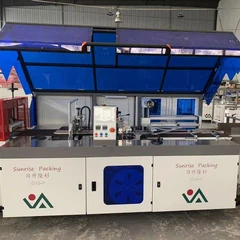
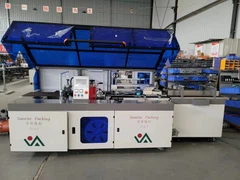
As a stainless steel conveyor supplier, we offer a wide range of conveyor solutions. Our SS Packing Conveyor is designed for efficient product packing, with the ability to adjust the speed ratio to meet different packing requirements.
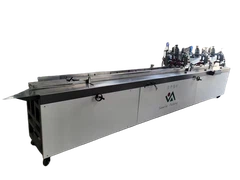
The Power Stainless Steel Packing Conveyor provides reliable power and can be customized with various speed settings. It is suitable for high - volume production lines.
Our Stainless Steel Gravity Roller Conveyor is an excellent choice for applications where gravity - assisted movement is sufficient. The speed of the rollers can also be adjusted to optimize the flow of products.
Conclusion
Adjusting the speed ratio in a multi - speed stainless steel conveyor is a complex but essential task. By understanding the basic principles, performing pre - adjustment checks, and using the appropriate adjustment methods, one can optimize the conveyor's performance. Remember to troubleshoot any issues that arise and always prioritize safety.
If you are looking for high - quality stainless steel conveyors with excellent speed adjustment capabilities, we are here to help. Contact us to discuss your specific requirements and explore how our conveyor solutions can benefit your business.
References
- "Conveyor Belt Handbook" by Conveyor Equipment Manufacturers Association (CEMA)
- "Industrial Motor Control" by Terry L. Morton
- "Gearbox Design and Application" by Heinz P. Bloch and Fred K. Geitner
Send Inquiry