

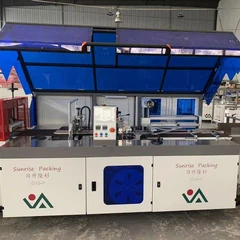
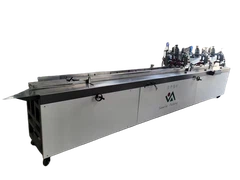
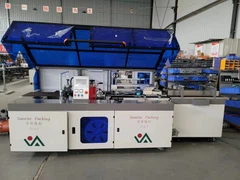



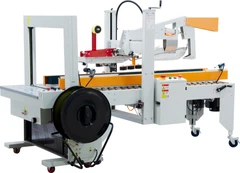
How much does a packing conveyor cost?
Nov 14, 2025
Leave a message
When it comes to the world of industrial operations, packing conveyors play a pivotal role in streamlining the packaging process. As a supplier of packing conveyors, I often get asked the question: "How much does a packing conveyor cost?" In this blog post, I'll delve into the factors that influence the cost of a packing conveyor and provide you with a comprehensive overview to help you make an informed decision.
Understanding the Basics of Packing Conveyors
Before we dive into the cost analysis, let's first understand what a packing conveyor is and its significance in the industrial landscape. A packing conveyor is a mechanical device used to transport products from one point to another during the packaging process. It can handle a wide range of products, from small items like bottles and boxes to larger and heavier goods.
There are different types of packing conveyors available in the market, each designed to meet specific requirements. Some of the common types include belt conveyors, roller conveyors, and chain conveyors. Belt conveyors, in particular, are widely used due to their versatility and efficiency. You can learn more about belt conveyors and our offerings by visiting Belt Conveyor Manufacturers.
Factors Influencing the Cost of a Packing Conveyor
The cost of a packing conveyor can vary significantly depending on several factors. Here are some of the key factors that you need to consider:
1. Type and Design
The type and design of the packing conveyor are major determinants of its cost. As mentioned earlier, there are different types of conveyors available, and each has its own unique features and capabilities. For example, a simple belt conveyor may be less expensive compared to a more complex roller conveyor with advanced features such as adjustable speed and inclination.
The design of the conveyor also plays a crucial role. Custom-designed conveyors that are tailored to meet specific requirements are generally more expensive than standard off-the-shelf models. If you have unique packaging needs, you may need to opt for a custom-designed conveyor, which can add to the overall cost.
2. Size and Capacity
The size and capacity of the packing conveyor are directly related to its cost. Larger conveyors with higher capacities typically cost more than smaller ones. The size of the conveyor is determined by factors such as the length, width, and height, while the capacity is measured in terms of the amount of product it can handle per unit of time.
When choosing a packing conveyor, it's important to consider your current and future production needs. If you expect your production volume to increase in the future, it may be wise to invest in a conveyor with a higher capacity, even if it means paying a higher upfront cost.
3. Material and Construction
The material and construction of the packing conveyor also have a significant impact on its cost. Conveyors made from high-quality materials such as stainless steel or heavy-duty plastics are generally more expensive than those made from less durable materials. However, these high-quality materials offer better durability, corrosion resistance, and longevity, which can result in lower maintenance costs in the long run.
In addition to the material, the construction of the conveyor also matters. A well-constructed conveyor with a solid frame and reliable components is likely to be more expensive but will provide better performance and reliability.
4. Additional Features and Accessories
Packing conveyors can be equipped with a variety of additional features and accessories to enhance their functionality. Some of the common features include adjustable speed controls, sensors, guards, and sorting mechanisms. These additional features can add to the cost of the conveyor but can also improve its efficiency and productivity.
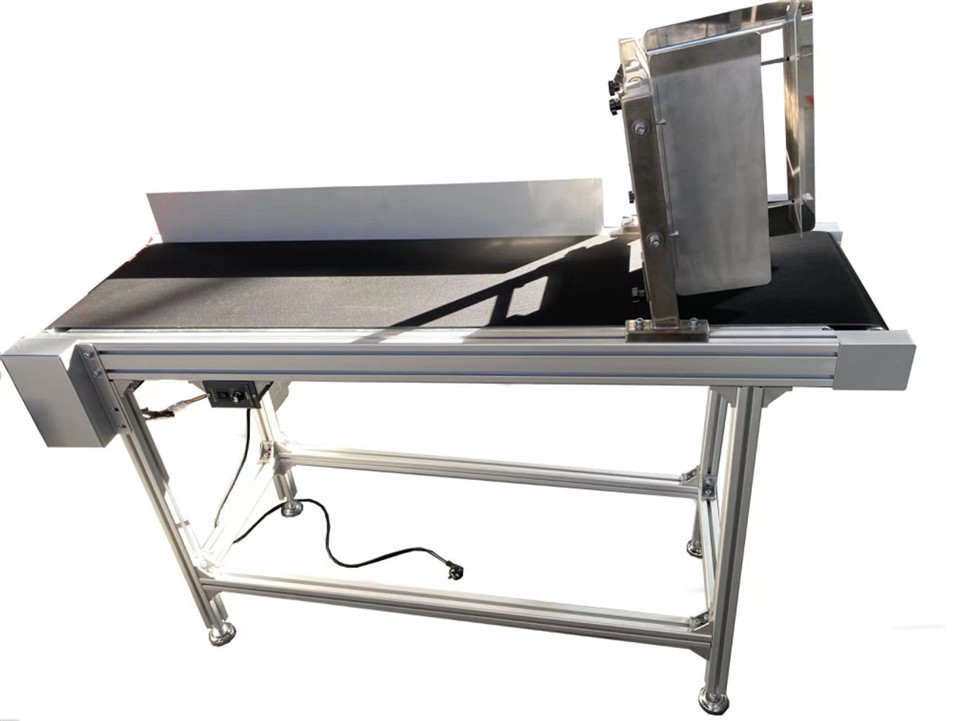

For example, a conveyor with a sorting mechanism can automatically separate different types of products, saving time and labor. However, such a feature will come at an additional cost. When considering additional features, it's important to evaluate their cost-benefit ratio and determine whether they are worth the investment.
5. Installation and Maintenance
The cost of installation and maintenance should also be taken into account when calculating the total cost of a packing conveyor. Installation costs can vary depending on the complexity of the conveyor and the location where it will be installed. In some cases, professional installation may be required, which can add to the overall cost.
Maintenance costs are another important consideration. Regular maintenance is essential to ensure the proper functioning and longevity of the conveyor. The cost of maintenance will depend on factors such as the type of conveyor, the frequency of maintenance, and the cost of replacement parts.
Cost Range of Packing Conveyors
Given the various factors that influence the cost of a packing conveyor, it's difficult to provide an exact price range. However, I can give you a general idea of the cost based on the different types of conveyors.
- Basic Belt Conveyors: These are the most common and affordable type of packing conveyors. A basic belt conveyor with standard features and a relatively small size can cost anywhere from a few hundred dollars to a few thousand dollars.
- Medium-Sized Conveyors: For medium-sized conveyors with more advanced features and higher capacities, the cost can range from several thousand dollars to tens of thousands of dollars.
- Large and Custom-Designed Conveyors: Large and custom-designed conveyors with complex features and high capacities can cost upwards of tens of thousands of dollars or even more.
It's important to note that these are just rough estimates, and the actual cost may vary depending on the specific requirements and specifications of your project.
Choosing the Right Packing Conveyor for Your Business
When choosing a packing conveyor for your business, it's important to consider your specific needs and budget. Here are some tips to help you make the right decision:
1. Evaluate Your Requirements
Start by evaluating your production needs, including the type of products you need to package, the production volume, and the available space in your facility. This will help you determine the type, size, and capacity of the conveyor that is best suited for your business.
2. Research Different Options
Once you have a clear understanding of your requirements, research different types of packing conveyors available in the market. Compare the features, prices, and customer reviews of different models to find the one that offers the best value for your money.
3. Consider the Total Cost of Ownership
When comparing the cost of different conveyors, don't just focus on the upfront price. Consider the total cost of ownership, including installation, maintenance, and operating costs. A conveyor with a lower upfront cost may end up costing you more in the long run if it requires frequent maintenance or has high energy consumption.
4. Seek Professional Advice
If you're unsure about which packing conveyor is right for your business, seek professional advice from a reputable supplier. A knowledgeable supplier can help you evaluate your needs, recommend the most suitable conveyor, and provide you with a detailed cost estimate.
Conclusion
In conclusion, the cost of a packing conveyor can vary depending on several factors, including the type, size, material, additional features, and installation and maintenance costs. As a supplier of packing conveyors, I understand the importance of providing high-quality products at competitive prices.
If you're in the market for a packing conveyor, I encourage you to explore our range of products by visiting Packing Conveyor. We offer a wide variety of conveyors to meet different needs and budgets. Whether you need a simple belt conveyor or a custom-designed solution, we can help you find the right conveyor for your business.
If you have any questions or would like to discuss your specific requirements, please don't hesitate to contact us. We're here to assist you in making an informed decision and ensuring that you get the best value for your investment.
References
- "Conveyor Belt Handbook" by Conveyor Equipment Manufacturers Association
- "Industrial Conveyor Systems: Design and Selection" by John A. Tompkins and James A. White
Send Inquiry