


How does a plastic film sealer work?
Nov 11, 2025
Leave a message
As a supplier of plastic film sealers, I'm often asked about how these machines work. In this blog post, I'll take you through the inner workings of a plastic film sealer, explaining the key processes and components that make it an essential tool in various industries.

The Basics of Plastic Film Sealing
Plastic film sealers are used to create a secure and airtight seal on plastic films, which are commonly used for packaging a wide range of products. The sealing process is crucial as it helps to preserve the quality of the contents, prevent contamination, and extend the shelf life of the products. There are different types of plastic film sealers available, including handheld sealers, bench - top sealers, and industrial - scale machines, but they all operate based on similar fundamental principles.
Key Components of a Plastic Film Sealer
- Heating Element:
The heating element is the heart of a plastic film sealer. It is responsible for generating the heat required to melt the plastic film. In most sealers, the heating element is made of a high - resistance alloy wire, such as nichrome. When an electric current passes through the wire, it heats up due to the resistance it offers to the flow of electricity. The temperature of the heating element can be precisely controlled, which is important as different types of plastic films require different sealing temperatures. For example, polyethylene films typically require a lower sealing temperature compared to polypropylene films. - Sealing Bars:
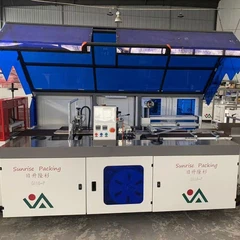
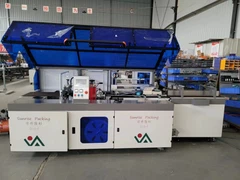
The sealing bars are the parts of the sealer that come into direct contact with the plastic film. They are usually made of metal and are designed to distribute the heat evenly across the film. One bar contains the heating element, while the other is often a pressure bar. When the sealer is activated, the two bars come together, pressing the plastic film between them. The heat from the heating element melts the plastic, and the pressure from the bars fuses the two layers of the film together, creating a strong seal. - Control Panel:
The control panel allows the operator to set and adjust various parameters of the sealing process, such as the sealing temperature, sealing time, and pressure. Modern plastic film sealers often come with digital control panels that provide accurate and easy - to - read settings. The sealing time is an important parameter as it determines how long the plastic film is exposed to the heat. If the sealing time is too short, the seal may not be strong enough; if it is too long, the plastic film may overheat and become damaged. - Conveyor System (in industrial sealers):
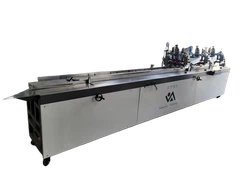
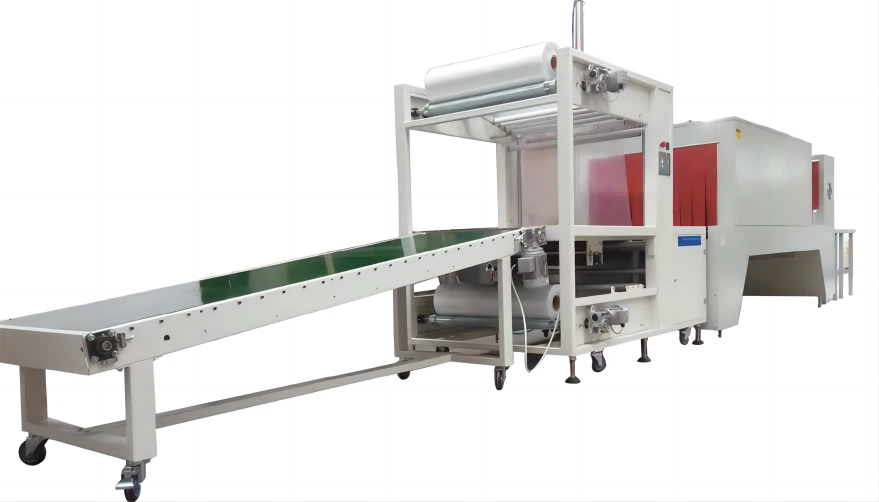
In industrial - scale plastic film sealers, a conveyor system is used to move the products through the sealing area. The conveyor belt ensures a continuous and efficient sealing process, especially when sealing large volumes of products. It can be adjusted to different speeds to match the production requirements. For example, in a food packaging factory, the conveyor system can be set to a faster speed during peak production hours.
The Sealing Process Step - by - Step
- Preparation:
First, the operator needs to prepare the plastic film and the product to be sealed. The plastic film should be properly loaded onto the sealer, ensuring that it is aligned correctly. The product is placed inside the plastic film, and the open end of the film is positioned between the sealing bars. - Setting the Parameters:
Using the control panel, the operator sets the appropriate sealing temperature, sealing time, and pressure based on the type of plastic film and the product being sealed. For instance, if sealing a thin plastic film for a small consumer product, a lower temperature and shorter sealing time may be required compared to sealing a thick plastic film for a large industrial product. - Activating the Sealer:
Once the parameters are set, the operator activates the sealer. The heating element starts to heat up, and the sealing bars move towards each other. When the bars come into contact with the plastic film, the heat from the heating element begins to melt the plastic. - Sealing:
During the sealing time, the pressure from the bars holds the melted plastic layers together, allowing them to fuse. This creates a strong and airtight seal. The sealing process is usually quick, taking only a few seconds, depending on the settings. - Cooling and Ejection:
After the sealing time is over, the sealing bars separate, and the sealed product is ejected from the sealer. In some cases, a cooling mechanism may be used to speed up the solidification of the seal, ensuring its strength and integrity.
Applications of Plastic Film Sealers
- Food Industry:
Plastic film sealers are widely used in the food industry for packaging various food products, such as snacks, fresh produce, and dairy products. The airtight seals created by the sealers help to keep the food fresh and prevent spoilage. For more information on plastic sealing machines for food, you can visit Plastic Sealing Machine for Food. - Pharmaceutical Industry:
In the pharmaceutical industry, plastic film sealers are used to package medications, medical devices, and other healthcare products. The seals need to be extremely reliable to maintain the sterility and integrity of the products. - Cosmetics and Personal Care Industry:
Plastic film sealers are used to package cosmetics, such as creams, lotions, and makeup products. The seals not only protect the products from contamination but also enhance their visual appeal. - Manufacturing and Industrial Products:
Industrial products, such as electronic components, hardware, and automotive parts, are often packaged using plastic film sealers. The seals help to protect the products from dust, moisture, and damage during transportation and storage.
Advantages of Using Plastic Film Sealers
- Cost - Effective:
Plastic film is a relatively inexpensive packaging material, and plastic film sealers are also cost - effective to operate. They require minimal maintenance and have a long service life, making them a cost - efficient solution for businesses of all sizes. - Versatility:
Plastic film sealers can be used with a wide variety of plastic films, including polyethylene, polypropylene, PVC, and more. They can also be used to seal different shapes and sizes of products, making them a versatile packaging option. - Efficiency:
The sealing process is fast and efficient, allowing businesses to package large volumes of products in a short period. This helps to increase productivity and meet the demands of the market.
Considerations for Choosing a Plastic Film Sealer
- Production Volume:
If you have a high - volume production line, you will need an industrial - scale plastic film sealer with a conveyor system. On the other hand, if you have a small - scale operation, a handheld or bench - top sealer may be sufficient. - Type of Plastic Film:
Different types of plastic films require different sealing temperatures and pressures. Make sure the sealer you choose can handle the type of plastic film you plan to use. - Sealing Quality:
Look for a sealer that can provide consistent and high - quality seals. Check the reviews and testimonials of other users to ensure the reliability of the sealer.
If you are interested in purchasing a plastic film sealer for your business, we are here to assist you. Our company offers a wide range of plastic film sealers, including Plastic Water Bottle Packing Machine and Transparent Film Fold Wrapping Machine. We have a team of experts who can help you select the right sealer based on your specific requirements. Contact us to start a procurement discussion and find the best solution for your packaging needs.
References
- Packaging Machinery Handbook. Edited by W. J. Kroll.
- Principles of Plastic Packaging Technology. By Malcolm P. Stevens.
- Industrial Sealing Equipment: A Practical Guide. By John Smith.
Send Inquiry