



How do book distributors handle customs and import/export regulations?
Nov 03, 2025
Leave a message
As a book distributor, navigating the complex landscape of customs and import/export regulations is an integral part of our operations. These regulations not only ensure the legal and smooth flow of books across international borders but also safeguard cultural, economic, and security interests. In this blog, I'll share insights from my experience as a book distributor on how we handle customs and import/export regulations.
Understanding the Regulatory Landscape
The first step in handling customs and import/export regulations is to have a comprehensive understanding of them. Customs regulations vary significantly from country to country, and they cover a wide range of aspects, including tariffs, duties, documentation requirements, and restrictions on certain types of books.
Tariffs and duties are perhaps the most well - known aspects of customs regulations. They are essentially taxes imposed on imported or exported goods. For book distributors, the tariff rates can depend on various factors such as the type of book (e.g., educational, fiction, or reference), its origin, and its value. Some countries may offer preferential tariff rates for educational materials or books that promote cultural exchange. To stay informed about these rates, we regularly consult official customs websites, trade agreements, and industry associations.
Documentation is another crucial area. Most countries require a set of standard documents for book imports and exports. These typically include a commercial invoice, which details the value, quantity, and description of the books; a packing list, which lists the contents of each package; and a bill of lading or airway bill, which serves as a receipt for the goods and evidence of the contract of carriage. In addition, some countries may require specific certificates, such as a certificate of origin to determine the country where the books were produced.
There are also restrictions on certain types of books. For example, some countries may ban the import of books that contain pornographic, violent, or politically sensitive content. As a responsible book distributor, we ensure that all the books we handle comply with the content regulations of the destination countries. This may involve working closely with publishers to review and approve the content before shipping.
Pre - shipment Preparation
Once we have a clear understanding of the regulations, the next step is pre - shipment preparation. This involves a series of tasks to ensure that the books are ready for export and will clear customs smoothly.
Firstly, we accurately classify the books according to the Harmonized System (HS) codes. The HS is an international system of names and numbers used to classify traded products. Each type of book has a specific HS code, which determines the applicable tariff rate and other regulatory requirements. Incorrect classification can lead to delays at customs and potential penalties. We use specialized software and consult with customs experts to ensure accurate classification.

Secondly, we prepare all the necessary documentation. As mentioned earlier, this includes the commercial invoice, packing list, and bill of lading. We pay close attention to the details on these documents, ensuring that they are consistent with each other and with the actual shipment. Any discrepancies can raise red flags at customs and cause delays.
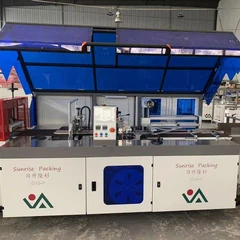
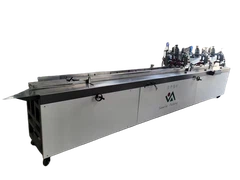
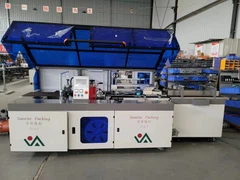
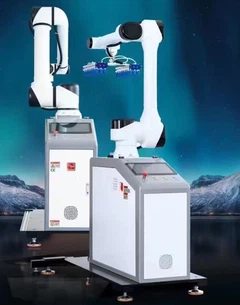
We also consider the packaging of the books. Proper packaging is not only important for protecting the books during transit but also for meeting customs requirements. For example, some countries may have specific requirements for the labeling of packages, including the use of certain languages or the inclusion of specific information such as the country of origin. We use Vertical Book Dispenser for efficient and secure packaging, which helps us meet these requirements and protect the books from damage.
Working with Customs Brokers
In many cases, working with a customs broker can significantly simplify the process of handling customs and import/export regulations. A customs broker is a licensed professional who specializes in customs clearance procedures. They have in - depth knowledge of the local customs regulations and can help us navigate the complex paperwork and procedures.
Customs brokers can assist us in several ways. They can help us prepare and submit the necessary documentation, ensuring that all the information is accurate and complete. They can also provide advice on tariff classification, helping us to minimize the duty and tax costs. In addition, they can communicate with customs officials on our behalf, resolving any issues or queries that may arise during the clearance process.
When choosing a customs broker, we look for one with a good reputation, extensive experience in the book industry, and a thorough understanding of the regulations in the countries we are dealing with. We also ensure that they are licensed and bonded, which provides an extra layer of protection for our business.
Post - shipment Follow - up
Even after the books have been shipped, our work is not done. We need to follow up on the shipment to ensure that it clears customs smoothly and reaches its destination on time.
We track the shipment using the tracking numbers provided by the carrier. This allows us to monitor the progress of the shipment and identify any potential issues early on. If there are any delays or problems at customs, we contact our customs broker immediately to resolve them.
We also maintain records of all the import and export transactions. These records are important for several reasons. They can be used for auditing purposes, ensuring that we are in compliance with all the regulations. They can also be used for future reference, helping us to improve our processes and avoid similar issues in the future.
Building Relationships with Authorities
Building good relationships with customs authorities and other relevant government agencies is an important part of handling customs and import/export regulations. By establishing open lines of communication and demonstrating our commitment to compliance, we can make the clearance process more efficient and less stressful.
We participate in industry events and training sessions organized by customs authorities. These events provide us with an opportunity to learn about the latest regulations and changes, as well as to network with customs officials. We also keep in touch with the authorities through regular correspondence, seeking their advice and guidance when needed.
Conclusion
Handling customs and import/export regulations is a complex but essential part of our business as book distributors. By understanding the regulatory landscape, preparing thoroughly before shipment, working with customs brokers, following up after shipment, and building relationships with authorities, we can ensure that our books are shipped legally, efficiently, and cost - effectively.
If you are interested in partnering with us for your book distribution needs, we would be delighted to discuss further. Our expertise in handling customs and import/export regulations ensures a seamless process for your book shipments. Whether you are a publisher looking to expand your international reach or a retailer in need of a reliable book supplier, we have the knowledge and experience to meet your requirements. Reach out to us to start a fruitful discussion on how we can work together.
References
- World Customs Organization. (n.d.). Harmonized System. Retrieved from [WCO official website]
- Various national customs websites for specific regulations of different countries.
- Industry publications and newsletters related to book distribution and international trade.
Send Inquiry