



How do belt conveyor manufacturers ensure the straightness of conveyor belts?
Aug 29, 2025
Leave a message
Hey there! As a supplier from a belt conveyor manufacturers, I'm stoked to share with you how we ensure the straightness of conveyor belts. It's a crucial aspect that can impact the efficiency and longevity of the entire conveyor system. So, let's dive right in!
Understanding the Importance of Conveyor Belt Straightness
First off, why is belt straightness such a big deal? Well, a conveyor belt that runs straight ensures smooth and consistent material transfer. It reduces wear and tear on the belt itself, as well as on other components like rollers and pulleys. When the belt is off - track, it can cause all sorts of problems, such as spillage of materials, increased friction, and even damage to the conveyor structure. This can lead to costly downtime and repairs. So, keeping the belt running straight is key to maintaining a productive and cost - effective operation.
Design and Manufacturing Precision
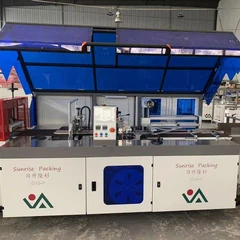
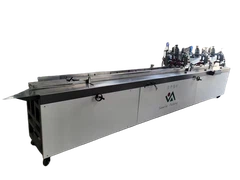
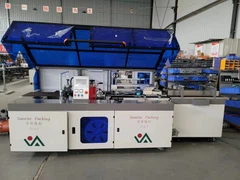
At our company, we start by focusing on design and manufacturing. We use high - quality materials for the conveyor belts. For example, our Conveyor Belt Equipment is made with precision in mind. The belts are engineered to have consistent thickness and width throughout their length. This uniformity helps in maintaining straightness during operation.
We also pay close attention to the manufacturing process. Our belts are cut and spliced with extreme accuracy. Any small deviation in the cutting or splicing can cause the belt to run off - track. We use advanced cutting technologies to ensure that the edges of the belt are straight and parallel. During the splicing process, we follow strict procedures to make sure that the splice is strong and properly aligned.
Proper Installation
Installation is another critical step in ensuring belt straightness. Our team of experts is trained to install conveyor belts correctly. First, we make sure that the conveyor frame is level and properly aligned. Any misalignment in the frame can cause the belt to run crooked. We use precision measuring tools to check the alignment of the frame before installing the belt.
When installing the belt, we ensure that it is centered on the rollers and pulleys. The tension of the belt is also carefully adjusted. If the belt is too loose, it may sag and run off - track. On the other hand, if it's too tight, it can cause excessive stress on the belt and other components. We use tensioning devices to achieve the optimal tension for the belt.
Tracking Systems
To further ensure belt straightness, we incorporate tracking systems into our conveyor designs. These systems are like the "guardians" of the belt, constantly monitoring and adjusting its position. There are different types of tracking systems we use.
One common type is the self - aligning idler. These idlers are designed to automatically adjust the position of the belt. When the belt starts to drift to one side, the self - aligning idler will tilt slightly, guiding the belt back to the center. This helps in maintaining the straightness of the belt without the need for constant manual adjustment.
Another type of tracking system we use is the belt edge sensor. These sensors are placed along the edges of the belt. If the belt starts to move out of its proper position, the sensors detect the change and send a signal to a control system. The control system then adjusts the position of the belt by activating actuators or other devices.

Regular Maintenance and Inspection
Maintenance and inspection are ongoing processes that are essential for keeping the conveyor belt straight. We recommend regular inspections of the conveyor system. During these inspections, our technicians check for signs of wear and tear on the belt, rollers, and pulleys. They also look for any misalignment or damage to the tracking systems.
We clean the conveyor system regularly to remove any debris or build - up that could affect the belt's movement. Lubrication of the moving parts is also important. Proper lubrication reduces friction and helps the belt run smoothly. If any issues are detected during the inspection, we address them immediately to prevent further problems.
Using High - Quality Components
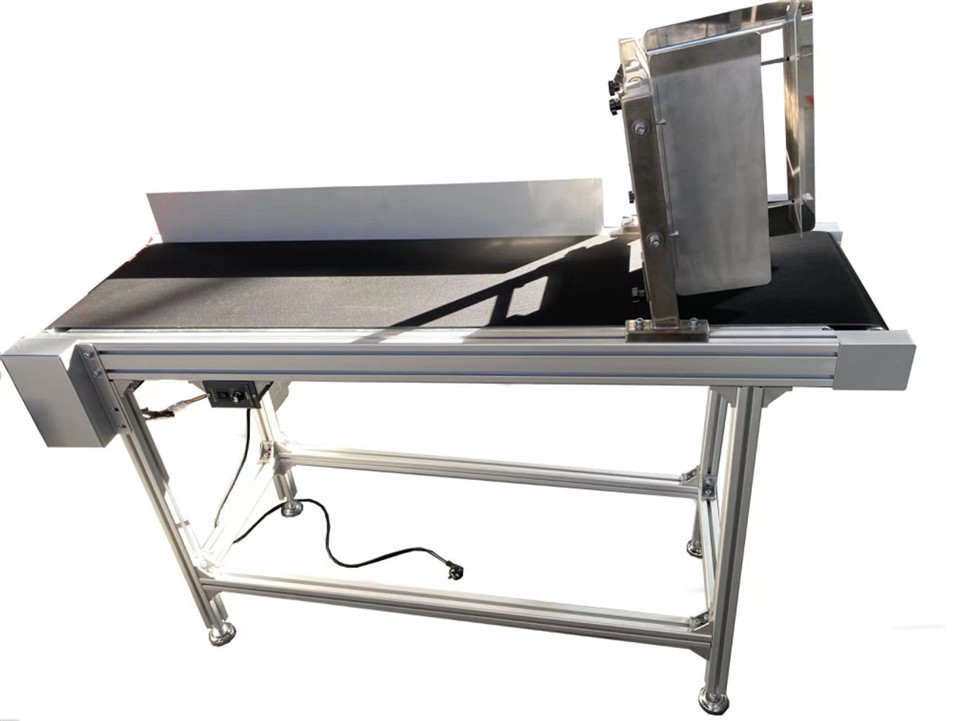
The quality of the components used in the conveyor system also plays a significant role in ensuring belt straightness. Our Rubber Belt Conveyor and Packing Conveyor are equipped with high - quality rollers and pulleys. These components are designed to have a smooth surface and precise dimensions.
The rollers are balanced to prevent vibrations that could cause the belt to run off - track. The pulleys are also carefully machined to ensure that they have a uniform diameter and a straight surface. This helps in maintaining a consistent grip on the belt and keeps it running straight.
Employee Training
We believe that well - trained employees are an important part of ensuring belt straightness. We provide training to our customers' employees on how to operate and maintain the conveyor systems properly. They are taught how to recognize the signs of a belt running off - track and how to take corrective actions.
Our training programs cover topics such as belt tension adjustment, tracking system operation, and general maintenance procedures. By empowering the employees with the right knowledge and skills, we can ensure that the conveyor belts are kept in good condition and run straight for a long time.
Conclusion
Ensuring the straightness of conveyor belts is a multi - faceted process that involves design, manufacturing, installation, tracking systems, maintenance, and employee training. At our company, we take all these aspects seriously to provide our customers with reliable conveyor systems.
If you're in the market for a conveyor system and want to ensure that the belt runs straight and efficiently, we'd love to talk to you. Whether you need a Conveyor Belt Equipment, Rubber Belt Conveyor, or Packing Conveyor, we have the expertise and products to meet your needs. Don't hesitate to reach out for a chat about your specific requirements and how we can help you optimize your conveyor operations.
References
- Conveyor Belt Handbook, Industry Standard Publications
- Belt Conveyor Design and Maintenance Guide, Professional Conveyor Manufacturers Association
Send Inquiry