


Can an unpowered conveyor be integrated with other equipment?
Oct 03, 2025
Leave a message
Hey there! I'm a supplier of unpowered conveyors, and today I wanna chat about whether an unpowered conveyor can be integrated with other equipment. It's a question I get asked a lot, and I'm excited to dive into it.


First off, let's quickly go over what an unpowered conveyor is. An unpowered conveyor, as the name suggests, doesn't have its own power source. It relies on gravity or manual force to move items along. They're super handy in a bunch of different settings, like warehouses, factories, and distribution centers. They're cost - effective, easy to install, and low - maintenance.
Now, can it be integrated with other equipment? The short answer is yes! And there are tons of reasons why you'd want to do this.
Integration with Powered Belt Conveyors
One of the most common integrations is with Power Belt Conveyors. Powered belt conveyors are great for moving items over longer distances or at a consistent speed. By integrating an unpowered conveyor with a powered one, you can create a more flexible and efficient material handling system.
For example, you can use an unpowered conveyor to feed items onto a powered belt conveyor. This is useful when you need to slow down the flow of products before they enter the high - speed powered section. It gives you more control over the process and reduces the risk of jams.
Let's say you're in a food processing plant. You have a powered belt conveyor that moves packaged food products to the packaging area. You can use an unpowered conveyor to stage the products before they get on the powered conveyor. Workers can place the products on the unpowered conveyor at their own pace, and then the powered conveyor takes over to move them quickly to the next step.
Integration with Sorting Systems
Sorting systems are crucial in many industries, especially in e - commerce and logistics. An unpowered conveyor can be integrated with a sorting system to direct products to different destinations.
Many sorting systems use sensors and diverters to move products to the right place. You can connect an unpowered conveyor to the input side of the sorting system. As products come down the unpowered conveyor, the sorting system can detect their characteristics (like size, weight, or barcode) and divert them accordingly.
Imagine you're running a large - scale e - commerce fulfillment center. You have thousands of packages coming in every day. An unpowered conveyor can be used to bring the packages to the sorting area. The sorting system then sorts them based on the delivery address, and they're sent off to the appropriate shipping lanes.
Integration with Packaging Machines
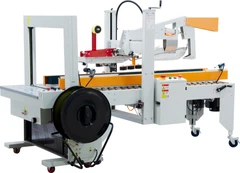
Packaging machines are used to wrap, box, or label products. Integrating an unpowered conveyor with a packaging machine can streamline the packaging process.
You can use an unpowered conveyor to feed products into the packaging machine. This allows for a smooth and continuous flow of items. Workers can load the products onto the unpowered conveyor, and it moves them steadily into the packaging machine.
In a cosmetics factory, for instance, an unpowered conveyor can be used to bring individual cosmetic bottles to a labeling machine. The conveyor ensures that the bottles are properly aligned and fed into the machine at the right time, increasing the efficiency of the labeling process.
Advantages of Integration
There are several advantages to integrating an unpowered conveyor with other equipment.
Cost - Efficiency
Unpowered conveyors are generally cheaper to buy and operate compared to powered equipment. By using them in combination with other equipment, you can reduce the overall cost of your material handling system. You can use the unpowered conveyor for simpler tasks, like staging or feeding, and rely on more expensive powered equipment for more complex operations.
Flexibility
Integration allows you to create a customized material handling system that meets your specific needs. You can easily adjust the layout and configuration of the conveyors and other equipment as your business grows or changes.
Improved Productivity
By creating a more efficient and continuous flow of products, integration can boost productivity. Workers can focus on their tasks without having to worry about the movement of products between different stages of the process.
Challenges of Integration
Of course, there are also some challenges when it comes to integrating an unpowered conveyor with other equipment.
Alignment
Making sure that the unpowered conveyor is properly aligned with the other equipment is crucial. If it's not aligned correctly, products may not transfer smoothly between the conveyors and other machines, leading to jams or damage.
Speed and Capacity
You need to ensure that the speed and capacity of the unpowered conveyor match those of the other equipment. If the unpowered conveyor moves too slowly, it can bottleneck the entire system. On the other hand, if it moves too fast, it may overwhelm the downstream equipment.
Compatibility
The unpowered conveyor needs to be compatible with the other equipment in terms of size, weight, and type of products it can handle. For example, if you're integrating it with a packaging machine that can only handle small, lightweight items, the unpowered conveyor should be designed to accommodate those products.
Tips for Successful Integration
Here are some tips to make sure your integration goes smoothly.
Plan Ahead
Before you start the integration process, plan out the layout of your material handling system. Consider the flow of products, the location of different equipment, and any future expansion plans.
Choose the Right Conveyor
Select an unpowered conveyor that is suitable for your specific application. There are different types of unpowered conveyors, such as roller conveyors and skate wheel conveyors. Make sure you choose the one that can handle the size, weight, and shape of your products. For more options, you can check out Rubber Belt Conveyor.
Test and Adjust
Once you've integrated the unpowered conveyor with the other equipment, test the system thoroughly. Make any necessary adjustments to the alignment, speed, or capacity to ensure optimal performance.
Conclusion
In conclusion, an unpowered conveyor can definitely be integrated with other equipment, and it offers many benefits in terms of cost - efficiency, flexibility, and productivity. However, it's important to be aware of the challenges and take the necessary steps to ensure a successful integration.
If you're interested in learning more about unpowered conveyors or how they can be integrated with your existing equipment, or if you're thinking about a new material handling system, don't hesitate to reach out. I'd be more than happy to discuss your needs and help you find the best solution. And if you're looking for reliable Belt Conveyor Manufacturers, you know where to look.
Let's work together to create a more efficient and effective material handling system for your business!
References
- General knowledge of conveyor systems and material handling in industrial settings.
- Industry best practices for integrating conveyor equipment.
Send Inquiry