



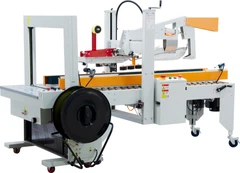
Can a case packer for packing be used for electronic products?
Dec 19, 2025
Leave a message
Can a case packer for packing be used for electronic products?
In the dynamic world of manufacturing and distribution, the efficient packaging of products is a critical step that can significantly impact a company's bottom line. As a leading supplier of case packers for packing, I often encounter questions from various industries, including the electronics sector, about the suitability of our equipment for their specific needs. This blog aims to delve into the question of whether a case packer can be used for electronic products, exploring the technical aspects, benefits, challenges, and considerations involved.
Understanding the Role of a Case Packer
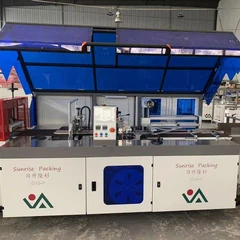
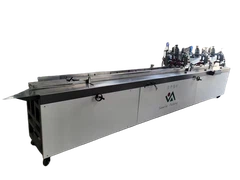
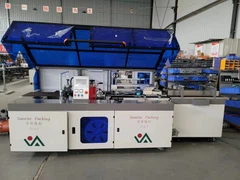
A case packer is a machine designed to automate the process of placing products into cases or cartons. It can handle a wide range of product sizes, shapes, and materials, from small items like pills to large appliances. The primary function of a case packer is to increase productivity, reduce labor costs, and ensure consistent and accurate packaging. Case packers come in different types, including horizontal, vertical, and robotic, each with its own set of features and capabilities.
Technical Feasibility of Using a Case Packer for Electronic Products
Compatibility with Product Dimensions and Shapes
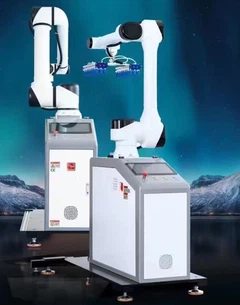
Electronic products come in a vast array of shapes and sizes, from sleek smartphones to bulky computer monitors. A well-designed case packer should be able to accommodate these variations. Modern case packers are equipped with adjustable conveyors, product handling mechanisms, and packing heads that can be customized to fit different product profiles. For example, the robotic arms in some advanced case packers can be programmed to pick and place electronic devices with precision, ensuring that they are properly positioned within the carton.
Protection of Electronic Components
One of the primary concerns when packing electronic products is protecting them from damage during the packaging process and subsequent transportation. Case packers can be configured to incorporate additional protective measures. For instance, they can be equipped with padding or cushioning systems that wrap the electronic items in foam, bubble wrap, or other shock-absorbing materials before placing them in the carton. Some case packers can also create custom partitions within the carton to prevent the products from moving around and colliding with each other.
Integration with Other Packaging Equipment
In a typical electronics manufacturing facility, a case packer is just one part of a larger packaging line. It needs to integrate seamlessly with other equipment, such as Box Open Machine, labeling machines, and Automatic Carton Sealing Machine. Our case packers are designed with modularity in mind, allowing for easy integration with a variety of upstream and downstream equipment. This ensures a smooth and efficient packaging process, minimizing downtime and maximizing throughput.


Benefits of Using a Case Packer for Electronic Products
Increased Efficiency and Productivity
Manual packaging of electronic products can be a time-consuming and labor-intensive process. A case packer can significantly increase the speed of packaging, allowing manufacturers to meet high production demands. For example, a high-speed case packer can pack several hundred electronic devices per minute, compared to the much slower pace of manual packing. This not only reduces labor costs but also enables companies to scale up their production quickly.
Improved Packaging Quality and Consistency
Consistency is crucial in the electronics industry, where even minor variations in packaging can affect the product's integrity and appearance. A case packer ensures that each product is packed in the same way, every time. This consistency helps to maintain the brand's image and reduces the risk of customer complaints due to poor packaging. Additionally, a well-packaged electronic product is less likely to be damaged during transit, which can save on return costs and improve customer satisfaction.
Cost Savings
While the initial investment in a case packer may seem substantial, it can lead to significant cost savings in the long run. By reducing labor requirements, minimizing packaging material waste, and decreasing product damage rates, a case packer can help companies cut down on their overall packaging costs. Moreover, the increased productivity and efficiency can lead to higher output and potentially higher profits.
Challenges and Considerations
Sensitivity of Electronic Components
Electronic products are often highly sensitive to static electricity, shock, and vibration. When using a case packer, it is essential to take measures to prevent electrostatic discharge (ESD) and minimize mechanical stress on the components. This may involve using ESD-safe materials in the packaging process, grounding the equipment, and implementing gentle handling techniques.
Regulatory Requirements
The electronics industry is subject to various regulatory requirements, such as environmental regulations and safety standards. When using a case packer, manufacturers need to ensure that the packaging materials and methods comply with these regulations. For example, some countries have strict requirements for the disposal of electronic waste, and the packaging materials used should be recyclable or biodegradable.
Customization Needs
Every electronics manufacturer has unique packaging requirements, depending on the type of products they produce. A case packer may need to be customized to meet these specific needs. This could involve modifying the product handling mechanisms, adjusting the conveyor speed, or adding specialized features such as barcode readers or vision systems.
Conclusion
In conclusion, a case packer can indeed be used for electronic products, provided that the technical aspects are carefully considered and the appropriate measures are taken to address the specific challenges associated with electronics packaging. The benefits of using a case packer, such as increased efficiency, improved packaging quality, and cost savings, make it a valuable investment for electronics manufacturers.
If you are in the electronics industry and are considering a case packer for your packaging needs, I invite you to reach out to us. Our team of experts can work with you to understand your requirements and provide a customized solution that meets your exact specifications. Whether you need a simple case packer for a small-scale operation or a complex, automated packaging line for a large manufacturing facility, we have the expertise and experience to deliver. Contact us today to start the discussion about how our Universal Food Packaging Machine and other packaging equipment can benefit your business.
References
- Packaging Machinery Manufacturers Institute. (2023). Industry Guidelines for Case Packer Selection and Operation.
- Electronics Manufacturing Technology Association. (2023). Best Practices for Packaging Electronic Products.
- Smith, J. (2022). The Impact of Automation on Electronics Packaging Efficiency. Journal of Manufacturing and Assembly, 15(2), 45-56.
- Johnson, A. (2021). Case Packers: A Comprehensive Guide for Electronic Manufacturers. Packaging World, 20(6), 78-85.
Send Inquiry