


Can a case packer for packing be used for beverage products?
Jun 13, 2025
Leave a message
Can a case packer for packing be used for beverage products?
In the dynamic landscape of modern manufacturing, the efficient packaging of products is a critical aspect that directly impacts the bottom line of businesses. As a supplier of case packers for packing, I often encounter inquiries regarding the suitability of our equipment for various product types, especially beverage products. In this blog post, I will delve into the intricacies of using a case packer for beverage products, exploring the technical aspects, benefits, and considerations that come with such an application.
Technical Feasibility of Using Case Packers for Beverages
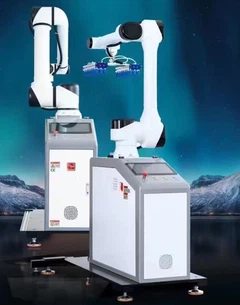
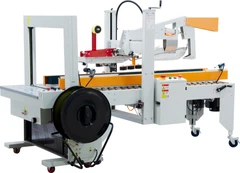
Case packers are designed to automate the process of packing products into cases or cartons. They come in various types, including robotic case packers, horizontal case packers, and vertical case packers, each with its own set of features and capabilities. When it comes to beverage products, the technical feasibility of using a case packer depends on several factors, such as the type of beverage, the container format, and the production volume.
Types of Beverages and Container Formats
Beverages come in a wide range of types, including carbonated soft drinks, juices, water, beer, and wine. Each type of beverage may require a different approach to packaging due to factors such as carbonation, temperature sensitivity, and shelf life. Additionally, beverages are packaged in various container formats, such as cans, bottles (glass or plastic), and cartons.
Case packers can be customized to handle different container formats. For example, a can case packer is specifically designed to handle cans, while a bottle case packer can be configured to handle glass or plastic bottles of different shapes and sizes. Some case packers are also capable of handling multiple container formats, providing flexibility for manufacturers who produce a variety of beverage products.
Production Volume
The production volume is another important factor to consider when using a case packer for beverage products. High-volume production facilities require case packers that can operate at high speeds and handle large quantities of products. Robotic case packers are often the preferred choice for high-volume production, as they can provide fast and accurate packing operations.
On the other hand, low-volume production facilities may opt for less expensive and more compact case packers, such as horizontal or vertical case packers. These types of case packers can still provide efficient packing solutions for small to medium-sized production runs.
Benefits of Using Case Packers for Beverage Products
There are several benefits to using case packers for beverage products, both for manufacturers and consumers.
Increased Efficiency and Productivity
One of the primary benefits of using a case packer is the increased efficiency and productivity it offers. Case packers can automate the packing process, reducing the need for manual labor and increasing the speed of production. This can result in significant cost savings for manufacturers, as they can produce more products in less time.


In addition, case packers can provide consistent and accurate packing, reducing the risk of product damage and ensuring that each case is packed with the correct number of products. This can improve the overall quality of the packaged products and enhance customer satisfaction.
Improved Product Protection
Case packers can also provide improved product protection for beverage products. By packing products into cases or cartons, case packers can protect them from damage during transportation and storage. This can help to reduce the number of damaged products and improve the shelf life of the beverages.
Furthermore, case packers can be designed to provide additional protection for sensitive beverage products, such as wine and beer. For example, some case packers can be equipped with cushioning materials or dividers to prevent the bottles from clinking together and breaking.
Enhanced Branding and Marketing
Case packers can also be used to enhance the branding and marketing of beverage products. By customizing the cases or cartons with the brand logo, product information, and other marketing materials, case packers can help to create a more attractive and professional-looking package. This can help to increase the visibility of the products on the shelves and attract more customers.
In addition, case packers can be used to create unique and innovative packaging designs that can differentiate the products from competitors. For example, some case packers can be used to create multi-pack or promotional packs, which can increase the sales of the beverages.
Considerations When Using Case Packers for Beverage Products
While there are many benefits to using case packers for beverage products, there are also some considerations that manufacturers need to take into account.
Hygiene and Sanitation
One of the most important considerations when using case packers for beverage products is hygiene and sanitation. Beverage products are consumed by humans, so it is essential to ensure that the packing process is clean and free from contaminants. Case packers should be designed and constructed using materials that are easy to clean and sanitize, and they should be regularly maintained and inspected to ensure that they are operating in a hygienic manner.
Compatibility with Existing Production Lines
Another consideration is the compatibility of the case packer with the existing production lines. Manufacturers need to ensure that the case packer can be integrated seamlessly with their existing equipment, such as filling machines, labeling machines, and conveyor systems. This may require some modifications to the production line or the case packer itself.
Cost and Return on Investment
Finally, manufacturers need to consider the cost of the case packer and the return on investment (ROI) it offers. Case packers can be a significant investment, especially for high-volume production facilities. However, the cost savings and increased productivity they offer can often justify the investment in the long run.
Manufacturers should carefully evaluate the cost of the case packer, including the purchase price, installation costs, and maintenance costs, and compare it with the potential savings and benefits it offers. They should also consider the ROI over the expected lifespan of the case packer to determine if it is a worthwhile investment.
Conclusion
In conclusion, case packers can be used for beverage products, providing a range of benefits for manufacturers and consumers. By automating the packing process, case packers can increase efficiency and productivity, improve product protection, and enhance branding and marketing. However, manufacturers need to consider several factors, such as hygiene and sanitation, compatibility with existing production lines, and cost and ROI, when using case packers for beverage products.
As a supplier of case packers for packing, we have the expertise and experience to provide customized solutions for beverage manufacturers. Our case packers are designed to meet the specific needs and requirements of each customer, ensuring that they can achieve the highest level of efficiency and productivity in their packing operations.
If you are interested in learning more about our case packers for beverage products or would like to discuss your specific packing needs, please do not hesitate to contact us. We would be happy to provide you with more information and help you find the right solution for your business.
References
Send Inquiry