


How to choose the right stacker for my business?
Oct 10, 2025
Leave a message
Hey there! As a stacker supplier, I get asked all the time, "How do I choose the right stacker for my business?" It's a crucial question because the right stacker can boost your efficiency, save you money, and make your operations run like a well - oiled machine. In this blog, I'll walk you through the key factors you need to consider when making this important decision.
Understand Your Business Needs
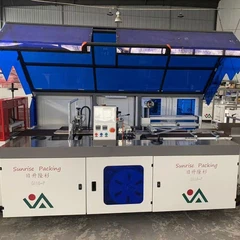
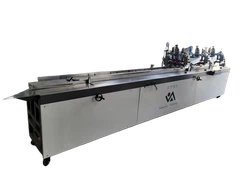
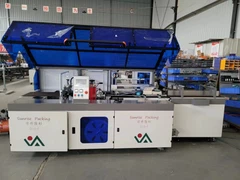
First things first, you've got to have a clear understanding of what your business needs from a stacker. What kind of products are you stacking? Are they books, boxes, or something else? The type of product matters a lot. For example, if you're in the book business, an Automatic Book Stacker might be your best bet. These stackers are designed specifically to handle the delicate nature of books, ensuring they're stacked neatly without any damage.
On the other hand, if you're dealing with general packing materials, a Packing Stacker would be more appropriate. These are built to handle a variety of box sizes and shapes, providing a flexible solution for your packing and stacking needs.
Think about your production volume too. How many items do you need to stack per hour, day, or week? If you have a high - volume operation, you'll need a stacker that can keep up. High - speed stackers are available for businesses that require rapid stacking. But if your volume is lower, you might not need to invest in a super - fast model, which could save you some cash.
Consider the Space
The space you have available in your facility is another major factor. Stackers come in all shapes and sizes, and you need to make sure the one you choose fits comfortably in your workspace. Measure the area where you plan to place the stacker. Consider not only the footprint of the machine but also the space needed for loading, unloading, and any maintenance access.
If you're short on space, there are compact stackers available. These can be a great option for small businesses or those with limited floor space. They might not have all the bells and whistles of larger models, but they can still get the job done efficiently.


Evaluate the Stacking Pattern
Different stackers can create different stacking patterns. Some are better at creating uniform, stable stacks, while others offer more flexibility in terms of the pattern. Think about what kind of stacking pattern works best for your products and storage requirements.
For example, if you're stacking products that will be stored on pallets and transported, a stacker that can create a stable, interlocking pattern might be ideal. This will prevent the products from shifting during transit and reduce the risk of damage. On the other hand, if you need to stack products in a more irregular pattern for display purposes, look for a stacker that can accommodate that.
Look at the Automation Level
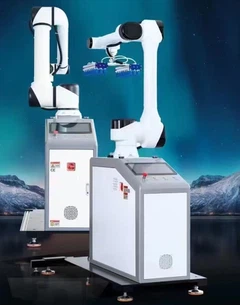
Automation can be a game - changer when it comes to stackers. Fully automated stackers can operate with minimal human intervention, which can increase efficiency and reduce labor costs. They can also provide more consistent results, as they're not subject to human error.
However, fully automated stackers can be more expensive upfront. If you're on a tight budget or have a smaller operation, a semi - automated or even a manual stacker might be a better option. These can still offer significant benefits in terms of stacking speed and accuracy compared to doing it all by hand.
Check the Durability and Maintenance
A stacker is a long - term investment, so you want to make sure it's built to last. Look for stackers made from high - quality materials that can withstand the wear and tear of daily use. Read reviews from other businesses that have used the stacker you're considering. They can give you insights into the durability and reliability of the machine.
Maintenance is also an important consideration. How easy is it to clean, lubricate, and replace parts on the stacker? A stacker that's difficult to maintain can lead to downtime and increased costs in the long run. Choose a model that has accessible parts and a good support network for maintenance and repairs.
Think About the Cost
Of course, cost is always a factor. You need to balance your budget with the features and capabilities you need. Don't just look at the upfront purchase price. Consider the total cost of ownership, which includes things like energy consumption, maintenance, and any additional accessories or software you might need.
Sometimes, it might be worth paying a little more upfront for a stacker that offers better long - term value. For example, a more energy - efficient stacker can save you money on your electricity bills over time. And a stacker with fewer maintenance requirements can reduce your overall operating costs.
Research the Supplier
As a stacker supplier myself, I know how important it is to choose a reliable supplier. Look for a company with a good reputation in the industry. Check their customer reviews and ratings. A supplier that offers good customer support is essential. You want to know that if you have any problems with the stacker, you can get help quickly.
Find out what kind of warranty the supplier offers. A longer warranty can give you peace of mind, knowing that you're protected against any manufacturing defects. Also, inquire about the availability of spare parts. You don't want to be left waiting weeks for a replacement part if something goes wrong.
Test the Stacker
If possible, try to test the stacker before you buy it. Many suppliers offer demonstrations or trials. This is a great opportunity to see how the stacker performs in real - world conditions. Watch how it stacks your products, how easy it is to operate, and how well it fits into your workflow.
During the test, pay attention to the noise level. A stacker that's too noisy can be a nuisance for your employees and might even violate workplace noise regulations. Also, check the ease of programming. If you need to make changes to the stacking pattern or settings, it should be a straightforward process.
Conclusion
Choosing the right stacker for your business is a big decision, but by considering these factors - your business needs, space, stacking pattern, automation level, durability, cost, supplier, and testing - you can make an informed choice. Remember, the right stacker can make a huge difference in your business operations, improving efficiency, reducing costs, and increasing productivity.
If you're still not sure which stacker is right for you, don't hesitate to reach out. As a stacker supplier, I'm here to help you find the perfect solution for your business. Contact me to start a conversation about your specific requirements and let's work together to get you the best stacker for your needs.
References
- Industry research on stacker technologies
- Customer feedback and case studies from various stacker users
- Manufacturer specifications and product brochures
Send Inquiry